
Choosing the right rug has a significant impact on the overall atmosphere of a home, far beyond simple floor covering. A rug helps define the layout of a space, adds warmth, softens hard surfaces, and contributes to the visual identity of an interior. In Australian homes in particular, where open-plan living has become increasingly common, rugs play an essential role in connecting furniture zones and creating a sense of structure within larger spaces.
When selecting a rug, one of the most common considerations is the difference between traditional rugs and modern rugs. Although both styles can enhance a space in different ways, they each carry a distinct design language, influenced by pattern, colour, materials, and cultural background. Understanding these differences allows homeowners to make more confident and practical design choices that suit both lifestyle and interior style.
Traditional rugs are typically associated with intricate detailing, rich colour palettes, and a strong sense of heritage. They often create warmth and depth within a room and are frequently used in more classic or formal interior settings. Modern rugs, by contrast, focus on simplicity, clean lines, and subtle textures. They are designed to blend effortlessly into contemporary interiors, particularly in Australian homes where minimalism, natural light, and open layouts are common design features.
Before selecting between the two, it is important to consider how each style interacts with factors such as lighting conditions, household activity, maintenance expectations, and long-term design flexibility.
What Defines a Modern Rug?
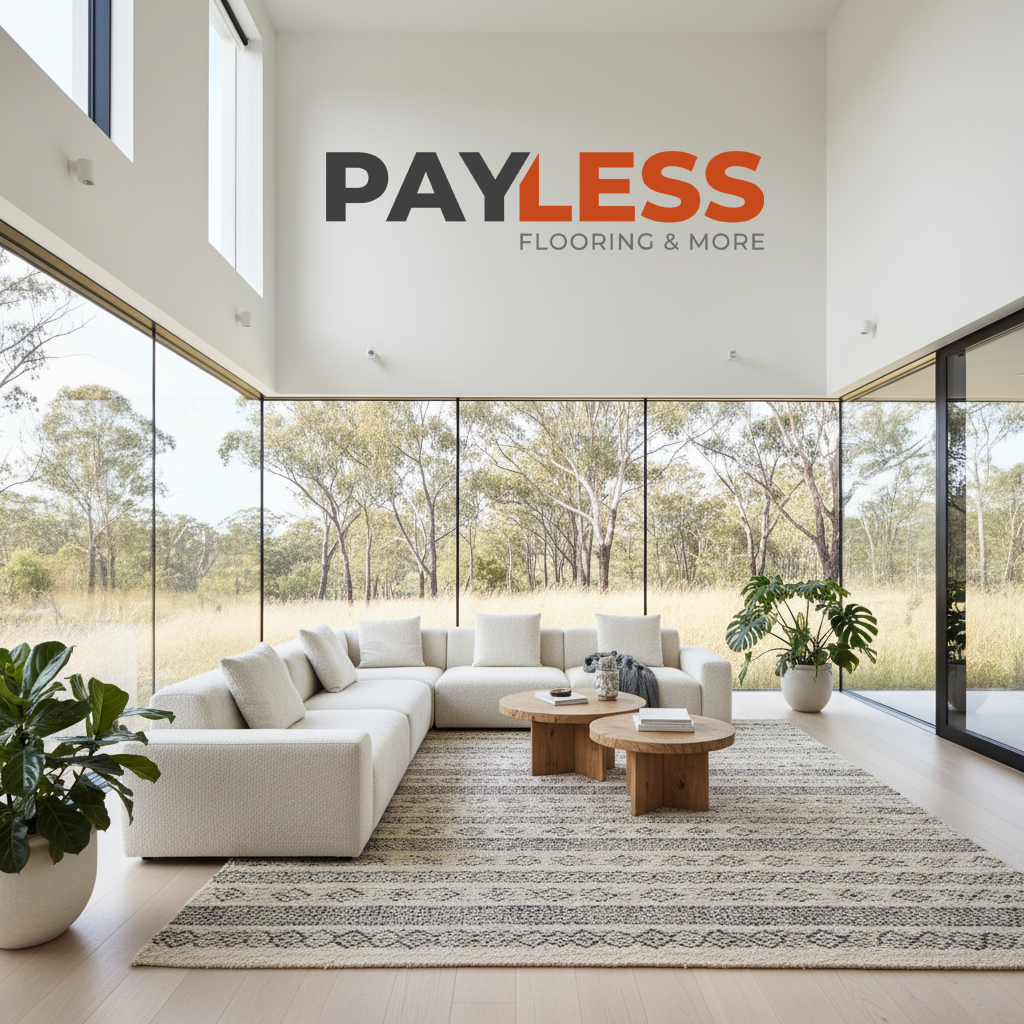
Modern rugs are designed with contemporary lifestyles in mind, prioritising simplicity, comfort, and versatility. Rather than focusing on complex ornamentation, modern rugs emphasise open visual space, subtle design elements, and practical usability. This makes them particularly well suited to Australian interiors where relaxed living and functional design are key priorities.
In many modern homes, especially apartments and newly built houses, interior spaces tend to feature neutral tones, large windows, and open-plan layouts. Modern rugs complement these environments by enhancing brightness and maintaining a sense of visual clarity. Instead of dominating a room, they support the surrounding furniture and architecture, allowing the overall design to feel balanced and cohesive.
Designs within modern rugs often draw inspiration from abstract art, natural textures, and geometric composition. These patterns are usually soft, understated, and sometimes intentionally faded or minimal. This approach helps create a calm and uncluttered atmosphere within the room, which aligns well with contemporary Australian lifestyle preferences.
Colour selection in modern rugs is typically grounded in neutral and earthy tones. Shades such as beige, ivory, soft grey, taupe, sand, and muted greens are commonly used because they integrate easily with timber flooring and natural light. In some cases, modern rugs may include stronger contrast or artistic colour variation, but these are usually controlled and balanced rather than visually overwhelming.
Another defining characteristic of modern rugs is their material versatility. Many are manufactured using durable synthetic fibres or blended materials that offer stain resistance and easy maintenance. This makes them highly practical for families, pet owners, and high-traffic areas such as living rooms or shared spaces.
Overall, modern rugs are designed to provide comfort and visual warmth while maintaining a light and flexible aesthetic that suits evolving interior styles.
Common Features of Modern Rugs
| Feature | Description |
|---|---|
| Pattern Style | Abstract, geometric, minimalist, textured |
| Colour Palette | Neutral tones, earthy shades, soft monchromes |
| Overall Look | Clean, modern, understated |
| Construction | Machine-woven, hand-tufted, flatweave |
| Common Materials | Wool, polypropylene, polyester, viscose, jute |
| Best Suited For | Contemporary homes, apartments, coastal interiors |
| Visual Impact | Light, airy, and versatile |
Modern rugs are ideal for homeowners who prefer a simpler, more relaxed interior style while still wanting comfort, warmth, and strong visual appeal within their space.
What Defines a Traditional Rug?
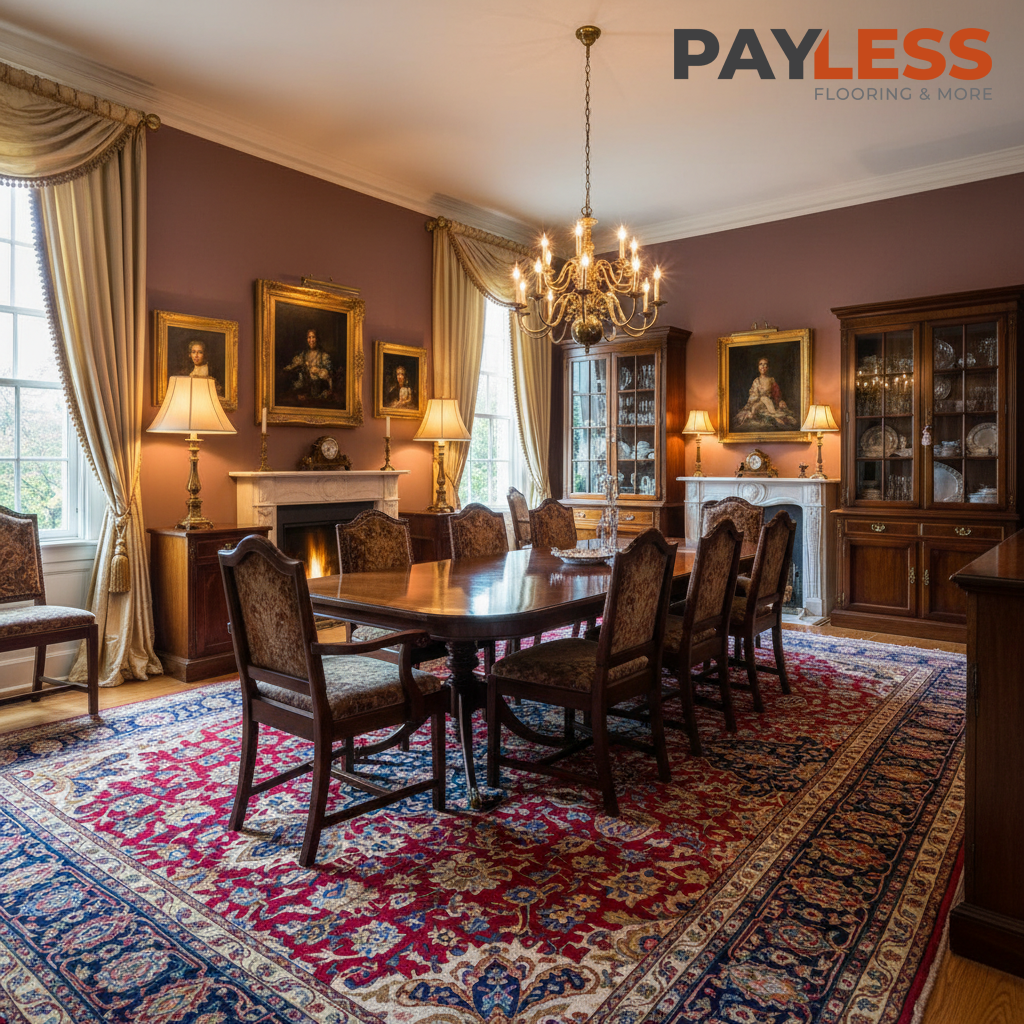
Traditional rugs represent craftsmanship, history, and decorative richness. Unlike modern rugs, which focus on simplicity, traditional rugs are characterised by complexity, detail, and cultural influence. Many traditional designs originate from regions such as Persia, Turkey, India, and Central Asia, where rugmaking has been an established craft for centuries.
These rugs are often recognised for their intricate patterns, which may include floral motifs, medallion centres, ornamental borders, and repeated symmetrical designs. The overall visual impact is dense and detailed, creating a strong sense of presence within a room.
Colour plays a particularly important role in traditional rugs. Deep reds, navy blues, gold tones, earthy greens, and warm neutrals are commonly used to create contrast and depth. These colours often develop a softer, more aged appearance over time, which adds to the character and charm of the rug.
In terms of construction, traditional rugs are frequently handknotted or handwoven using natural fibres such as wool, silk, or cotton. This level of craftsmanship requires significant time and skill, often taking months or even years to complete a single piece. As a result, traditional rugs are often considered longterm investments rather than shortterm decorative items.
Within Australian homes, traditional rugs are commonly used in formal living rooms, dining spaces, and interiors that lean toward heritage or classic styling. They are particularly effective in adding warmth and grounding more minimalist environments, creating a sense of depth and visual richness.
Common Features of Traditional Rugs
| Feature | Description |
|---|---|
| Pattern Style | Intricate floral, geometric, and medallion designs |
| Colour Palette | Deep reds, blues, golds, greens, and earthy tones |
| Overall Look | Classic, decorative, and detailed |
| Construction | Often handknotted or handwoven |
| Common Materials | Wool, silk, cotton |
| Best Suited For | Heritage homes, Hamptons interiors, formal spaces |
| Visual Impact | Strong focal point with rich detail |
Traditional rugs are ideal for homeowners who appreciate timeless design, detailed craftsmanship, and interiors that feel warm, layered, and full of character.
Visual Design and Pattern Differences
Colour is one of the most obvious differences between the two styles of rugs. Traditional rugs use rich, saturated colours that create a strong visual impact. These colours often work best in interiors where the rug is intended to act as a central design feature.
Modern rugs use softer, more adaptable colour palettes that easily integrate with changing interior styles. This makes them particularly suitable for homeowners who prefer long-term design flexibility and consistency.
In many Australian homes, modern rugs are chosen for their ability to maintain harmony with evolving furniture and décor choices, while traditional rugs are known for their timeless visual identity and ability to beautifully showcase the homeowner’s personality.
Visual Design and Pattern
| Feature | Traditional Rug | Modern Rug |
|---|---|---|
| Pattern Style | Intricate, symmetrical, decorative | Minimal, abstract, geometric |
| Design Layout | Dense and layered | Open and spacious |
| Visual Feel | Warm and classic | Clean and contemporary |
| Focal Point Strength | Strong visual centrepiece | More subtle visual presence |
| Use of Space | Filled with detail | Uses negative space intentionally |
| Common Atmosphere | Formal and elegant | Relaxed and airy |
| Best Interior Match | Heritage and classic homes | Contemporary and minimalist homes |
Materials and Construction Techniques
Materials and construction techniques are one of the most important factors when comparing traditional rugs and modern rugs. These elements not only affect how a rug looks, but also determine its durability, comfort, maintenance needs, and overall performance in everyday use. In Australian homes, where rugs are exposed to varying levels of foot traffic, sunlight, and lifestyle demands, understanding these differences becomes especially important before making a purchase.
Raw materials used in making traditional and modern rugs
Traditional rugs are mainly made from natural fibres, with wool being the most common and preferred material. Wool is widely used in rug making because of its natural strength, softness, and longlasting durability. It also has the ability to resist dirt and maintain its structure over time, which makes it ideal for handcrafted pieces designed to last for decades. In more refined traditional rugs, silk is sometimes added to highlight intricate details and give certain areas a soft shine, enhancing the depth of the design. Cotton is also commonly used in the base structure of traditional rugs, helping to hold the knots in place and maintain the overall stability of the piece.
The construction of traditional and modern rugs
The construction of traditional rugs is typically done by hand, with handknotting being the most respected and traditional method. Each knot is tied individually by skilled artisans, which allows for extremely detailed patterns and high levels of precision. This process is timeconsuming and can take several months or even years depending on the size and complexity of the rug. One of the key indicators of quality in traditional rugs is knot density, which refers to how tightly the knots are packed together. Higher knot density usually means better detail, stronger construction, and greater longterm durability. Because of this handcrafted process, every traditional rug is unique and carries its own character, making it more than just a floor covering.
versatility and practicality
Modern rugs, on the other hand, are designed with versatility and practicality in mind, which is reflected in both their materials and construction methods. While some modern rugs are made using wool, many also use synthetic fibres such as polypropylene, polyester, and nylon. These materials are popular because they are affordable, easy to clean, and highly resistant to stains, making them ideal for busy Australian households, rental properties, and hightraffic areas. In addition to synthetic options, modern rugs may also include natural fibres such as jute, cotton, and viscose, which are used to create texture variation and suit different interior styles.
The construction techniques used for modern and traditional rugs
The construction techniques used for modern rugs are much more varied and efficient compared to traditional methods. Machinemade rugs are widely used because they allow for consistent patterns, faster production, and more affordable pricing. Handtufted rugs are also common, where fibres are inserted into a backing material using a tufting tool, creating a soft and textured surface in a shorter production time. Flatweave rugs are another popular option, offering a lightweight and reversible design that works well in casual and modern interiors. In higherend collections, powerloomed techniques are used to replicate detailed patterns with precision while still maintaining cost efficiency. Although some modern rugs are handknotted, they usually focus on contemporary designs rather than traditional motifs.
long lifespan and ability to improve in appearance over time
From a practical perspective, many modern rugs also include performance features such as stainresistant treatments and moistureresistant backing. These additions make them especially suitable for Australian lifestyles where homes often include children, pets, and active living spaces. Traditional rugs, while requiring more careful maintenance, are known for their long lifespan and ability to improve in appearance over time, often developing a softer and more refined look as they age.
In summary, the difference in materials and construction techniques between traditional rugs and modern rugs reflects their core purpose. Traditional rugs focus on craftsmanship, heritage, and longterm value, while modern rugs prioritise practicality, ease of maintenance, and flexibility for contemporary living.
Materials and Construction Table
| Feature | Traditional Rug | Modern Rug |
|---|---|---|
| Primary Materials | Wool, silk, cotton | Wool, synthetics, jute, viscose, blends |
| Construction Method | Handknotted, handwoven | Machinemade, handtufted, flatweave, powerloomed |
| Craftsmanship Level | Highly artisanal | Mix of artisan and industrial |
| Production Time | Weeks to years | Hours to weeks |
| Durability | Very high (with care) | Varies by material and build |
| Maintenance Needs | Moderate | Low to moderate |
| Design Flexibility | Limited to traditional motifs | Very high, modern patterns and textures |
Colour Schemes and Versatility in Decor
Colour plays a central role in how a rug interacts with the overall atmosphere of a room. It is not just about appearance or decoration, but also about how a space feels, how light behaves within it, and how easily the interior can adapt over time. In Australian homes, where natural sunlight, openplan layouts, and neutral architectural styles are common, the choice of rug colour can significantly influence the final look and mood of a space.
Traditional rugs are typically known for their rich, deep, and highly saturated colour palettes. These rugs often feature combinations of strong tones such as deep reds, navy blues, forest greens, warm golds, and soft ivory highlights. These colours are usually layered in complex patterns, creating a visually dense and expressive surface. The overall effect is warm, grounded, and slightly formal, which works especially well in interiors that aim for a classic or heritageinspired look. Over time, natural fibres like wool tend to soften in tone, and this gradual ageing process often enhances the character of the rug rather than diminishing it. Many homeowners appreciate this natural patina as it adds depth and a sense of history to the space.
However, because of their strong visual presence, traditional rugs tend to be less flexible when it comes to changing interior styles. They often become the central design element in a room, meaning that furniture, wall colours, and decorative choices are usually selected to complement the rug. This makes them ideal for homeowners who prefer a consistent, established aesthetic rather than frequent redesigns.
Modern rugs, in contrast, take a much more flexible and adaptable approach to colour. Their palettes are generally softer, lighter, and more neutral, making them easier to integrate into a wide range of interiors. Common tones include beige, soft grey, ivory, taupe, stone, and muted earthy shades that align well with contemporary Australian design trends. These colours are often used in a more subtle way, allowing the rug to support the space rather than dominate it.
In addition to neutral palettes, modern rugs may also feature gentle tonal variations, soft gradients, or abstract colour blending inspired by natural textures and landscapes. This adds visual interest without overwhelming the room. Because of this balanced approach, modern rugs are highly versatile and can easily adapt to changes in furniture, wall paint, or décor styles over time. This makes them particularly popular in rental homes, newly built properties, and interiors that evolve frequently.
From a design perspective, modern rugs tend to create harmony within a space rather than act as the main focal point. They allow other elements such as sofas, artwork, lighting, and architectural features to stand out more clearly. Traditional rugs, on the other hand, often serve as the visual anchor of the room, defining the style and setting the tone for the entire interior.
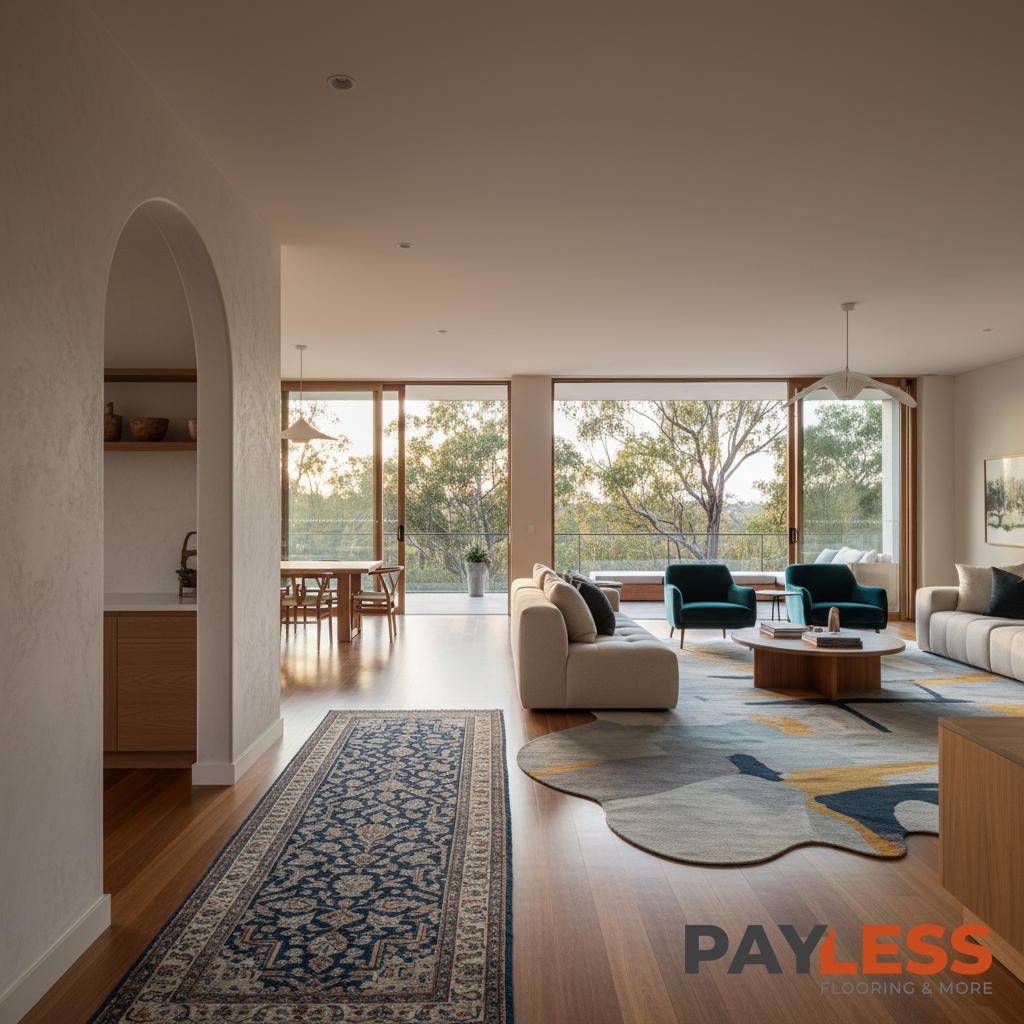
In many Australian homes today, there is also a growing preference for combining both approaches. A modern rug may be used in openplan living areas to maintain brightness and flow, while a traditional rug may be placed in dining rooms or more formal spaces to introduce warmth and character. This layered styling approach creates interiors that feel balanced, livedin, and visually interesting without being overly rigid or uniform.
Colour Schemes and Versatility
| Feature | Traditional Rug | Modern Rug |
|---|---|---|
| Colour Palette | Deep, rich, saturated tones | Neutral, soft, adaptable tones |
| Common Colours | Red, blue, gold, green, ivory | Beige, grey, taupe, soft earth tones |
| Visual Impact | Strong and expressive | Subtle and balanced |
| Flexibility in Styling | Limited adaptability | Highly versatile |
| Role in Room | Statement focal point | Supporting design element |
| Longevity of Style | Timeless but classicspecific | Flexible across trends |
| Best Fit | Heritage and formal interiors | Contemporary and evolving spaces |
Suitability Based on Interior Styles
Choosing between modern and traditional rugs often comes down to the overall feel you want your home to have. In Australian interiors today, where relaxed living and practical design go hand in hand, rugs are no longer just finishing touches — they help shape how a space feels, flows, and functions day to day.
Modern rugs naturally fit into the way most contemporary Australian homes are designed. In openplan spaces, especially in newer builds across Sydney, Melbourne, or coastal suburbs, they help keep everything feeling light, open, and uncluttered. Their softer patterns and neutral tones work beautifully with timber flooring, large windows, and natural light, which are common features in modern Australian architecture. Whether it’s a coastalinspired living room, a minimalist apartment, or a Scandistyle interior, modern rugs tend to feel effortless — they sit quietly in the background while still adding warmth and texture where it’s needed.
Traditional Rugs in Classic Australian Homes
Traditional rugs bring a very different kind of value to a space. In homes with more character think heritage terraces, Hamptonsstyle houses, or classic family homes they introduce depth, warmth, and a sense of livedin elegance. Their detailed patterns and richer colour tones work particularly well with timber furniture, layered soft furnishings, and more detailed architectural features. In these settings, a traditional rug doesn’t just blend in; it helps ground the room and gives it a more established, welcoming feel.
Mixing Both Styles in Modern Australian Interiors
What’s interesting in Australian homes right now is how often the two styles are being used together. It’s becoming increasingly common to see a modern rug in everyday living areas for that relaxed, practical feel, while a traditional rug is used in spaces like dining rooms, entryways, or formal lounges to add personality and a bit of visual drama. This mixandmatch approach feels very aligned with how Australians actually live practical, comfortable, but still designconscious.
Rather than following strict design rules, most homeowners are now choosing rugs based on how each space should feel (open and airy, or warm and expressive) and selecting accordingly.
Longevity, Maintenance, and Cost Considerations
When comparing modern and traditional rugs, it’s worth looking beyond appearance and focusing on how they perform over time in real
Australian homes. Factors like durability, day to day maintenance, and overall value for money play a big role in choosing the right rug — especially in busy households with kids, pets, and hightraffic living areas.
Traditional rugs are widely known for their exceptional lifespan. A wellmade handknotted rug, particularly one crafted from quality wool or silk blends, can easily last for decades and in many cases be passed down through generations. Rather than wearing out quickly, these rugs often develop a softer, more refined character over time. The fibres settle, the colours mellow slightly, and the overall look becomes more livedin and timeless. This ageing process is often seen as part of their appeal rather than a drawback.
However, traditional rugs do require a more careful approach to maintenance. Regular gentle vacuuming is important to prevent dust buildup, and periodic professional cleaning is recommended to preserve the fibres and colours. In Australian conditions, especially in coastal areas where sand, humidity, and sunlight can be factors, a bit of ongoing care goes a long way in maintaining their quality.
Modern rugs, on the other hand, are designed with everyday practicality in mind. Their lifespan varies depending on materials and construction, but many highquality modern rugs perform well for 10 to 30 years in typical home conditions. Woolbased modern designs tend to sit at the higher end of durability, while synthetic fibres are often chosen for their stain resistance and ease of cleaning.
One of the biggest advantages of modern rugs is how easy they are to maintain. Many are designed with stain resistant finishes or performance fibres that make them suitable for busy family spaces, rental properties, or hightraffic areas like living rooms and hallways. Spills are generally easier to manage, and routine cleaning is less demanding compared to traditional handknotted pieces.
From a cost perspective, traditional rugs usually require a higher initial investment due to the craftsmanship and time involved in their production. However, they are often considered longterm pieces that hold or even increase in value when well maintained. Modern rugs offer a much broader price range, making them more accessible for different budgets and allowing homeowners to update their interiors more frequently without a significant financial commitment.
Longevity, Maintenance, and Cost
| Feature | Traditional Rug | Modern Rug |
|---|---|---|
| Expected Lifespan | 50–100+ years | 10–30+ years |
| Maintenance Level | Moderate to high | Low to moderate |
| Cleaning Requirements | Professional cleaning recommended | Easy spot cleaning, simple upkeep |
| Stain Resistance | Natural (woolbased) | Often enhanced with treatments |
| Initial Cost | Higher investment | Wide, budgetfriendly to premium |
| LongTerm Value | High, often increases over time | Good, based on practicality |
| Best For | Longterm homes, heirloom pieces | Busy households, flexible interiors |
Reasons To Consider When Buying A Traditional Rug
A traditional rug is often chosen for more than just how it looks on the floor. It carries a sense of craftsmanship, heritage, and longterm value that appeals to homeowners who want something with depth and personality rather than a purely decorative item.
Timeless Design That Never Goes Out of Style
One of the strongest reasons people lean toward a traditional rug is its timeless design language. The intricate patterns, balanced symmetry, and rich colour palettes don’t rely on shortterm trends. Instead, they tend to remain visually relevant for decades, which makes them a reliable choice for homes where the interior isn’t constantly changing. In many Australian homes, especially those with classic architecture or layered styling, this sense of permanence adds real design confidence.
High Level of Craftsmanship and Uniqueness
Another key consideration is craftsmanship. Traditional rugs are typically handknotted using techniques that have been refined over generations. This level of detail and manual work not only enhances durability but also gives each piece a unique identity. No two rugs are exactly the same, which adds to their appeal for homeowners who value individuality in their interiors.
Strong Ability to Anchor a Room
Traditional rugs also work particularly well when you want to create a strong focal point in a room. In open living spaces or formal areas, they naturally draw attention and help anchor the furniture layout. This is especially useful in larger Australian homes where defining zones within openplan layouts can sometimes be a design challenge.
LongTerm Durability and Value
There is also a practical longterm aspect to consider. When properly cared for, a quality traditional rug can last for decades and often becomes softer and more visually refined over time. This makes it more than just a shortterm styling choice it can become a longterm feature within the home, sometimes even passed down through families.
Adds Warmth and Character to Interiors
Finally, many homeowners are drawn to the character and warmth traditional rugs bring into a space. They tend to soften modern interiors, balance minimal designs, and add a sense of history that newer furnishings often lack. In Australian interiors that mix contemporary architecture with relaxed living, this contrast can make a room feel more complete and grounded.
Reasons To Consider When Buying A Modern Rug
Modern rugs have become a goto choice in many Australian homes thanks to their balance of style, practicality, and flexibility. They suit the way people actually live today — relaxed, busy, and constantly evolving — while still adding warmth and personality to a space.
Effortless Fit for Contemporary Australian Homes
One of the biggest reasons homeowners choose a modern rug is how easily it fits into today’s interior styles. Whether it’s a coastal apartment in Sydney, a newbuild in Melbourne’s suburbs, or a minimalist family home, modern rugs naturally complement openplan layouts and neutral colour schemes. They help tie spaces together without overpowering furniture or architectural features.
Easy Maintenance for Busy Lifestyles
Modern rugs are designed with everyday living in mind. Many are made using stainresistant fibres or performance materials that make cleaning far simpler compared to more delicate rug styles. This makes them especially practical for households with kids, pets, or high foot traffic areas like living rooms and hallways, where spills and dirt are part of daily life rather than the exception.
Flexible Styling as Trends Change
Another key advantage is adaptability. Modern rugs are far easier to work with when you decide to update your furniture, repaint walls, or change your interior style over time. Their neutral tones and simple patterns allow them to stay relevant even as trends shift, which makes them a smart longterm styling foundation rather than a fixed design statement.
Comfort and Texture Without Visual Clutter
Modern rugs are also valued for the way they add comfort without making a room feel busy. Instead of heavy patterns, they rely on texture, soft tones, and subtle design details to create warmth. This is particularly useful in Australian homes where natural light and open spaces are a big part of the design, and homeowners want a calm, uncluttered atmosphere.
Wide Range of Styles and Price Points
Modern rugs are available in a broad range of materials, designs, and price points. From affordable synthetic options to highend wool or designer pieces, there is flexibility for different budgets and interior goals. This accessibility makes them a practical choice for first homes, rentals, and families looking for stylish yet costeffective flooring solutions.
Comparison Table: Reasons to Choose a Modern Rug
| Feature | Benefit |
|---|---|
| Style Compatibility | Fits easily into modern Australian interiors |
| Maintenance | Easy to clean and low maintenance |
| Flexibility | Works with changing furniture and décor |
| Comfort | Adds softness without visual clutter |
| Material Options | Wide range from budget to premium |
| Best Use Cases | Family homes, rentals, open plan living spaces |
How to Choose Between Modern and Traditional Rugs
Choosing between a modern rug and a traditional rug is less about rules and more about how you want your home to look, feel, and function day to day. In Australian homes, where openplan living, natural light, and relaxed lifestyles dominate, the “right” choice usually comes down to balance between design style and practical use.
Start With Your Interior Style and Architecture
The first thing to consider is the overall style of your home. Modern rugs naturally align with contemporary interiors, minimalist layouts, and coastalinspired spaces. They work particularly well in new builds and openplan homes where simplicity and flow are important. Traditional rugs, on the other hand, feel more at home in heritage properties, Hamptonsstyle interiors, or spaces with classic detailing where richness and layering are part of the design language.
Think About Lifestyle and Daily Use
Your day to day lifestyle plays a big role in the decision. If your home is busy with kids, pets, or frequent entertaining, a modern rug may offer more practicality thanks to easier maintenance and more forgiving designs. If the space is more formal or less heavily used, a traditional rug can add depth and character without being exposed to constant wear.
Consider the Role of the Rug in the Room
It also helps to decide what role the rug will play. In some rooms, you may want the rug to quietly support the overall design, while in others you might want it to stand out as a feature. Modern rugs tend to blend into the background and support furniture and décor, while traditional rugs often become the focal point that anchors the entire space.
Match With LongTerm Design Flexibility
If you like changing your interior style over time, modern rugs generally offer more flexibility. Their neutral tones and simple patterns make them easier to pair with different furniture styles and colour schemes. Traditional rugs are more visually defined, which can make them a longterm design anchor but slightly less adaptable if your taste changes frequently.
Consider Room Size and Lighting
Room proportions and natural light also matter. Modern rugs are often better suited to bright, open spaces because they enhance lightness and openness. Traditional rugs work well in rooms where you want to add warmth and visual density, especially in larger or more formal areas.
Comparison Table: How to Choose the Right Rug Style
| Factor | Modern Rug | Traditional Rug |
|---|---|---|
| Interior Style Fit | Contemporary, coastal, minimalist | Classic, heritage, Hamptons |
| Maintenance Needs | Low maintenance | Moderate care required |
| Lifestyle Suitability | Busy, familyfocused homes | Formal or less hightraffic spaces |
| Design Role | Subtle, supportive base | Bold focal point |
| Flexibility Over Time | High adaptability | More fixed aesthetic |
| Best Spaces | Living rooms, apartments, open plan areas | Dining rooms, formal lounges, heritage homes |
Finding Your Ideal Rug: Modern vs. Traditional
Choosing between a modern rug and a traditional rug often comes down to how you want your space to feel day to day, as well as how much visual presence you want your flooring to carry in the overall design.
Modern rugs are generally chosen for their clean, relaxed and highly adaptable look. They work especially well in contemporary Australian homes where open plan living is common and natural light plays a big role in shaping the interior atmosphere. These rugs tend to sit quietly within a space, supporting the furniture and architecture rather than competing with it. The result is a lighter, more open feeling that suits busy households, rental properties, and homes where flexibility in styling is important over time.
Traditional rugs, on the other hand, bring a stronger sense of detail, depth and character into a room. Their intricate patterns and richer colour palettes naturally draw attention and help define a space, making them ideal for areas where you want a more established or refined feel. In many Australian homes, they are often used to anchor formal living rooms, dining areas, or heritage style interiors where warmth and visual richness are a priority.
In practice, many homeowners find that the best approach is not strictly choosing one over the other, but understanding where each style performs best within the home. This creates a more layered and natural interior style that feels lived in rather than overly matched or staged.
| Factor | Modern Rug | Traditional Rug |
|---|---|---|
| Overall Style | Clean, minimal, contemporary feel | Detailed, classic, heritage inspired character |
| Best Home Fit | New builds, coastal homes, apartments | Heritage homes, Hamptons, formal interiors |
| Visual Role in Room | Blends into background, supports layout | Acts as a focal point, defines space |
| Design Complexity | Simple patterns, open visuals | Intricate patterns, rich detailing |
| Atmosphere Created | Light, airy, relaxed | Warm, grounded, elegant |
| Lifestyle Suitability | Busy households, families, pets | More curated, lower traffic areas |
| Styling Flexibility | Easy to update with trends | Timeless but more style specific |
| Ideal Placement | Living areas, open plan spaces | Dining rooms, entryways, feature zones |