
Choosing the right rug is about more than colour, pattern, or material. Rug placement has a big impact on how spacious, balanced, and functional a room feels. One of the most common decorating questions is: how far should a rug be from the wall?
While there’s no single rule that works for every room, leaving the right space between the rug and the wall helps create a balanced look and makes furniture arrangements feel more intentional. A rug that sits too close to the walls can make a room feel smaller, while one placed too far away may look disconnected from the rest of the space.
In modern Australian homes where open‑plan layouts, natural light, and multi‑purpose living areas are common proper rug placement can also help define different zones and improve the flow of the home. This guide explains the ideal rug‑to‑wall distance, how to choose the right rug size, and practical placement tips for living rooms, bedrooms, dining areas, and more to create a comfortable and well‑designed space.
Choosing the Size of an Area Rug
Selecting the correct area rug size is the first step toward achieving proper placement within a room. Even the most beautiful rug can look out of place if its proportions do not suit the surrounding furniture and available floor space.
Many homeowners make the mistake of choosing a rug based solely on appearance, without considering how it will interact with the room’s layout. In reality, rug size should be determined by furniture placement, room dimensions, and the visual balance you want to achieve.
Why Rug Size Matters
The size of a rug influences how large or small a room appears. A rug that is too small can make furniture feel disconnected and create a fragmented look. Conversely, a rug that is too large may overwhelm the room and reduce the visible flooring that helps define the space.
In most Australian homes, area rugs are used to anchor furniture groupings rather than cover an entire room. This creates a more structured and intentional design while maintaining the natural openness that many homeowners prefer.
Measuring Before You Buy
Before purchasing a rug, it is important to measure both the room and the furniture arrangement. Consider how much of the floor you want exposed around the perimeter and whether major furniture pieces will sit fully or partially on the rug.
A simple measuring tape and painter’s tape can help visualise the rug’s footprint before making a final decision.
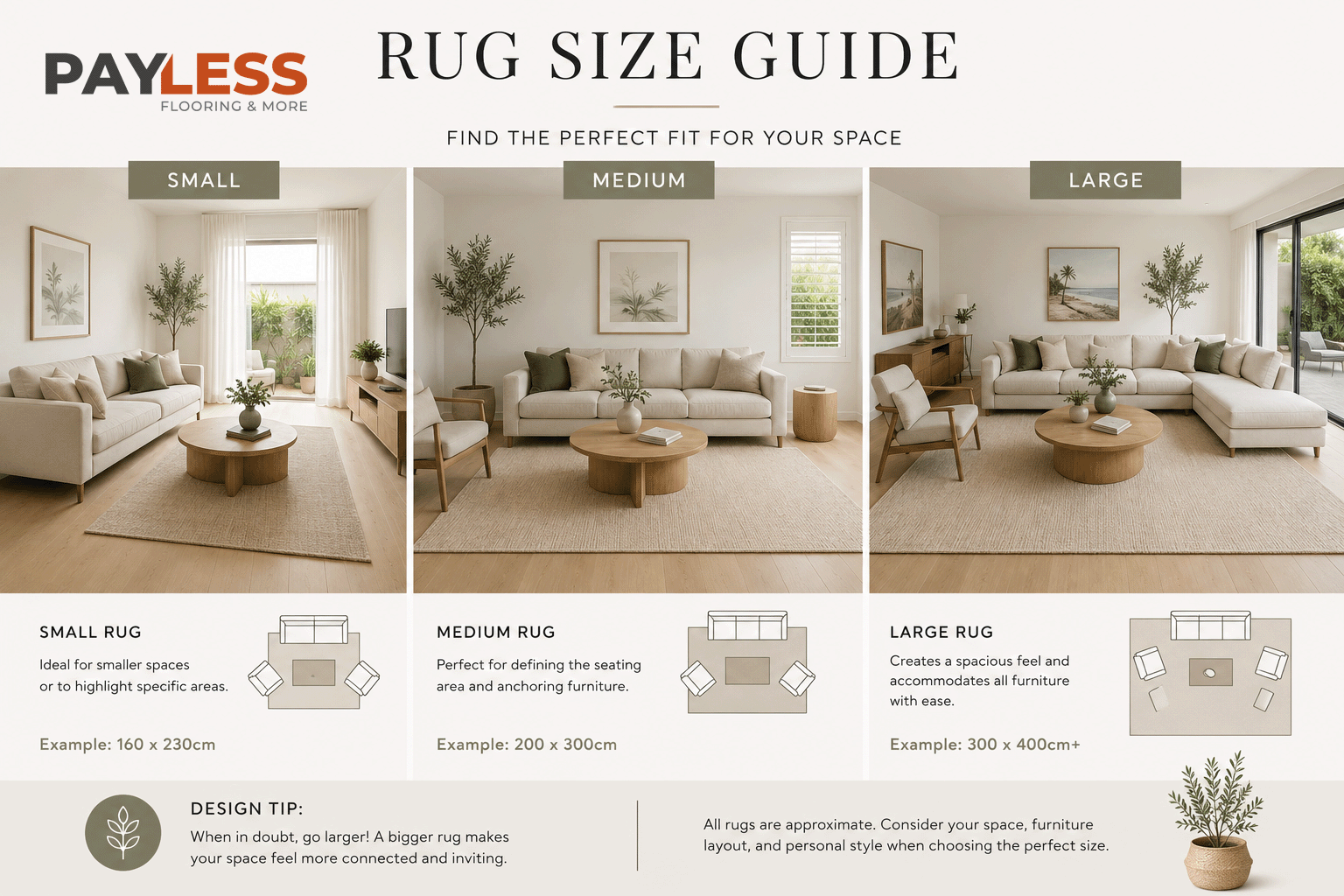
General Rug Size Guide
| Room Type | Recommended Rug Size |
|---|---|
| Small Living Room | 160 x 230 cm |
| Medium Living Room | 200 x 290 cm |
| Large Living Room | 240 x 330 cm |
| Dining Room | 240 x 330 cm or larger |
| Bedroom | 240 x 330 cm or larger |
| Home Office | Depends on desk layout |
How to Calculate the Right Rug Size
Calculating the right rug size involves more than simply measuring the room. The goal is to determine how the rug will interact with furniture while maintaining appropriate spacing from walls and architectural features.
Start With the Furniture Layout
The furniture arrangement should always guide rug selection. In living rooms, rugs typically sit beneath sofas, coffee tables, or lounge chairs. In dining rooms, the rug should accommodate both the table and the chairs when they are pulled out.
By measuring the furniture grouping first, you can establish the minimum rug dimensions required for the space.
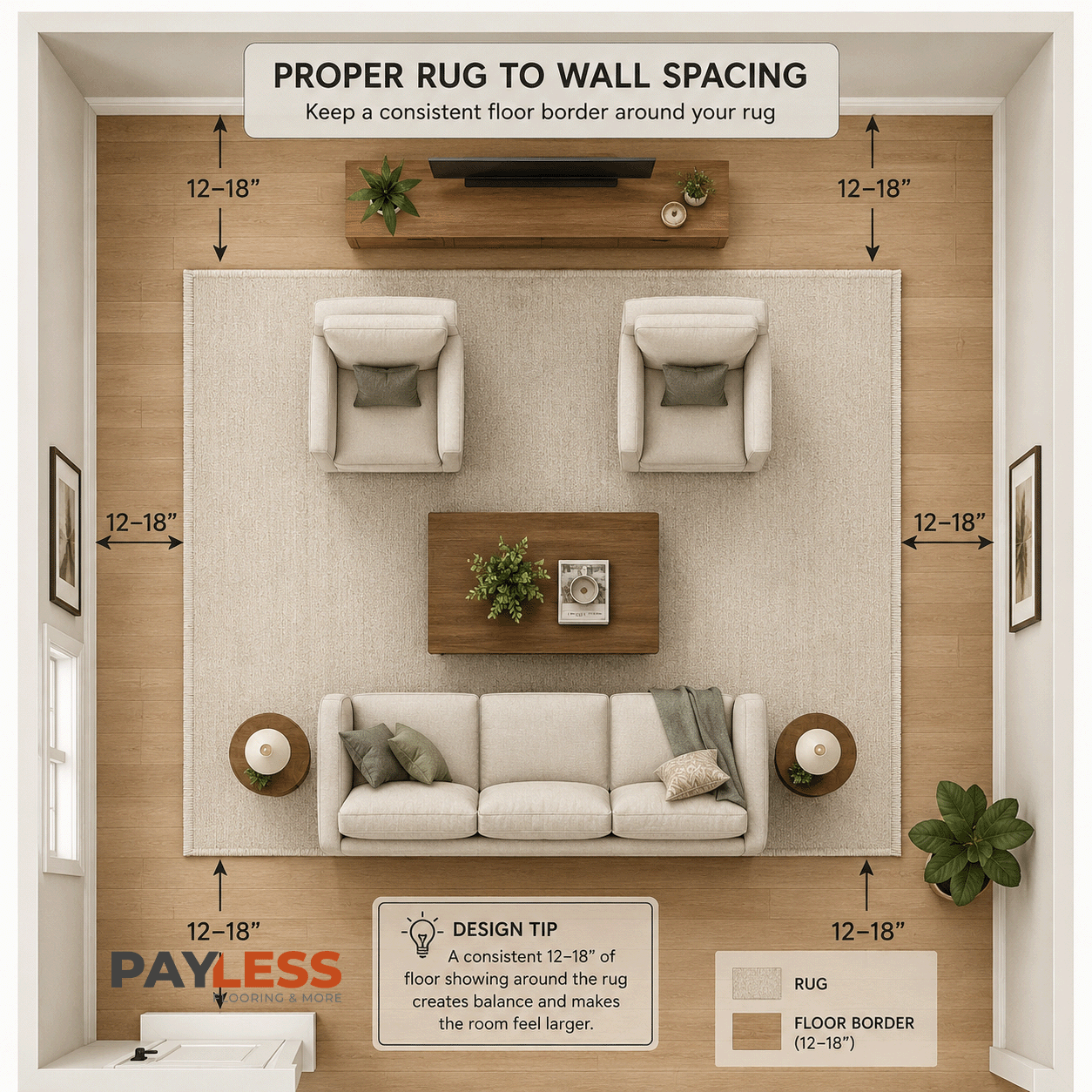
Allow Space Around the Perimeter
Most interior designers recommend leaving visible flooring around the edge of the room. This border helps frame the rug and prevents it from appearing wall-to-wall.
The amount of exposed flooring will vary depending on room size, but maintaining consistency around the perimeter generally creates a cleaner look.
Consider Room Proportions
A large room with a small rug can feel empty and unbalanced. Likewise, an oversized rug in a compact room can make the space appear crowded.
The ideal rug size should feel proportional to both the furniture and the room itself.
Quick Rug Size Calculation Guide
| Measurement Step | Recommendation |
|---|---|
| Measure room dimensions | Length and width of room |
| Measure furniture grouping | Include all key furniture |
| Leave border space | 20–45 cm where possible |
| Test rug outline | Use tape before purchasing |
| Check walkways | Ensure comfortable movement |
Why Rug-to-Wall Spacing Matters
The distance between a rug and the walls may seem like a minor detail, but it has a significant impact on the appearance and functionality of a room. Proper spacing creates balance, defines zones, and allows the rug to complement the architecture rather than compete with it.
Creating Visual Balance
One of the primary reasons rug-to-wall spacing matters is visual balance. A consistent border of exposed flooring acts like a frame around the rug, helping it feel intentionally placed within the room.
Without sufficient spacing, a rug can appear oversized and make the room feel visually heavy.
Making Rooms Feel Larger
Leaving some visible flooring around the rug often makes a room appear larger. This is especially important in apartments, smaller living rooms, and compact bedrooms where maintaining a sense of openness is a priority.
The contrast between the flooring and the rug helps define the room’s dimensions more clearly.
Improving Furniture Placement
Proper spacing also improves furniture positioning. When a rug is correctly sized and centred, furniture arrangements feel more cohesive and connected.
This is particularly important in open-plan Australian homes where rugs are often used to define separate functional zones within a larger space.
Supporting Architectural Features
Good rug placement allows architectural features such as skirting boards, timber flooring, feature walls, and built-in cabinetry to remain visible. This creates a more refined and professionally styled appearance.
Benefits of Proper Rug-to-Wall Spacing
| Benefit | Result |
|---|---|
| Better balance | More cohesive room design |
| Improved proportions | Rug feels correctly sized |
| Greater openness | Room appears larger |
| Clear zoning | Defines functional spaces |
| Enhanced styling | Highlights flooring and architecture |
The Ideal Distance by Room Size
One of the most frequently asked questions when decorating with rugs is exactly how much floor should remain visible between the rug and the walls. While there is no strict rule that applies to every home, most interior designers agree that maintaining a consistent border around the rug creates the most balanced result.
The ideal distance depends largely on the size of the room. Smaller rooms generally require a narrower border, while larger spaces can accommodate a wider margin of exposed flooring without making the rug feel disconnected from the furniture arrangement.
Small Rooms
In smaller living rooms, apartments, and compact bedrooms, keeping the rug relatively large can help maximise the sense of space. A narrow border of visible flooring usually works best because it prevents the room from feeling fragmented.
Medium-Sized Rooms
Medium-sized rooms offer greater flexibility. A moderate amount of visible flooring helps define the rug while maintaining a comfortable visual balance between furniture and architectural elements.
Large Open-Plan Spaces
Larger rooms often benefit from wider rug-to-wall spacing. This creates a more intentional layout and allows the flooring to become part of the overall design rather than disappearing beneath oversized rugs.
Recommended Rug-to-Wall Distance
| Room Size | Recommended Distance From Wall |
|---|---|
| Small Room | 15–25 cm |
| Medium Room | 20–35 cm |
| Large Room | 30–45 cm |
| Open-Plan Area | 40–60 cm |
| Formal Living Room | 30–50 cm |
How to Position Area Rugs in the Living Room
The living room is often the most important space for rug placement because it serves as both a functional and visual centre of the home. A well-positioned rug helps unify furniture, define seating areas, and create a more welcoming atmosphere.
Creating a Defined Seating Zone
Rather than treating the rug as a standalone decorative item, it should be viewed as the foundation of the seating arrangement. The rug should visually connect sofas, armchairs, coffee tables, and occasional furniture so that the entire space feels cohesive.
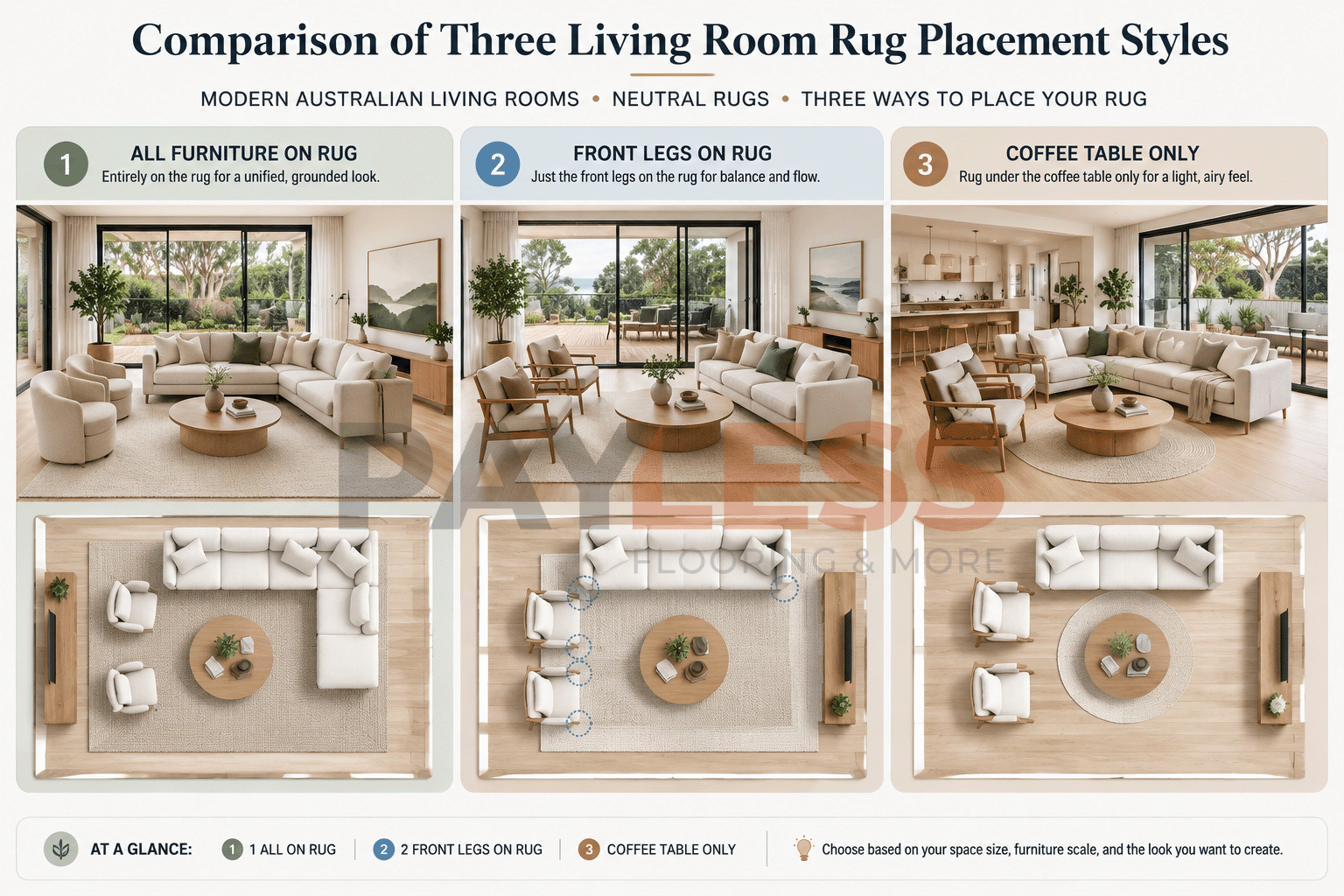
Choosing the Right Placement Style
There are several accepted approaches to living room rug placement. The best option depends on the room size, furniture layout, and desired aesthetic.
All Furniture on the Rug
This approach is commonly used in larger rooms. All major furniture pieces sit entirely on the rug, creating a luxurious and highly unified appearance.
Front Legs on the Rug
In many Australian homes, this is the most practical solution. The front legs of sofas and chairs rest on the rug while the back legs remain on the floor. This creates connection without requiring an excessively large rug.
Coffee Table Only
This approach is generally reserved for smaller rooms where space limitations make larger rugs impractical. While it can work, it often creates a less cohesive look than larger rug arrangements.
Living Room Rug Placement Options
| Placement Style | Best For | Visual Effect |
|---|---|---|
| All Furniture On Rug | Large living rooms | Luxurious and unified |
| Front Legs On Rug | Most family homes | Balanced and practical |
| Coffee Table Only | Small rooms | Lightweight appearance |
| Floating Rug | Decorative areas | Casual styling |
How to Position Area Rugs with Linear Sofas (2-3-4 Seats)
Linear sofas are among the most common seating options in Australian living rooms. Whether you have a two-seater, three-seater, or four-seater sofa, the rug should work with the proportions of the furniture rather than compete with it.
Two-Seater Sofa Arrangements
Smaller sofas benefit from rugs that extend beyond both sides of the furniture. This helps create visual width and prevents the seating arrangement from feeling isolated.
Three-Seater Sofa Layouts
A three-seater sofa generally works best when the rug extends at least 20 to 30 centimetres beyond each side. This creates a more balanced look and provides enough space for additional furniture pieces.
Four-Seater Sofa Configurations
Larger sofas require larger rugs to maintain proportional balance. A rug that is too small will make the sofa appear oversized and disconnected from the rest of the room.
Rug Sizing by Sofa Length
| Sofa Type | Recommended Rug Approach |
|---|---|
| 2-Seater | Rug wider than sofa |
| 3-Seater | Extend 20–30 cm each side |
| 4-Seater | Large rug with furniture anchoring |
| Multiple Sofas | Connect all seating elements |
How to Position Area Rugs with Corner or Peninsula Sofas
Corner sofas and peninsula lounges are particularly popular in modern Australian homes because they maximise seating while complementing open-plan layouts. However, their larger footprint requires careful rug placement.
Anchoring the Entire Configuration
A rug should support the entire seating arrangement rather than only one section of the sofa. Ideally, the rug should sit beneath the front legs of both sections to create visual unity.
Avoiding Undersized Rugs
One of the most common mistakes is choosing a rug that only fits beneath the coffee table. This often makes large corner sofas appear disconnected and disproportionate.
Working in Open-Plan Living Areas
In open-plan homes, rugs are frequently used to define living zones. A properly sized rug helps distinguish the lounge area from nearby dining or kitchen spaces while maintaining an open and flowing layout.
Corner Sofa Rug Guide
| Sofa Style | Recommended Placement |
|---|---|
| L-Shaped Sofa | Front legs on rug |
| Peninsula Sofa | Rug extends beyond chaise |
| Large Modular Sofa | Most furniture anchored |
| Open-Plan Layout | Use rug to define zone |
Living Room Rug Placement Mistakes to Avoid
Even an expensive rug can fail to enhance a room if it is positioned incorrectly. Understanding common placement mistakes can help homeowners avoid costly styling errors and create a more polished interior.
Choosing a Rug That Is Too Small
This is by far the most common mistake. Small rugs often make furniture appear disconnected and create a fragmented layout. When in doubt, it is usually better to size up rather than down.
Ignoring Furniture Relationships
A rug should connect furniture rather than sit independently in the middle of the room. If the rug feels isolated from the seating arrangement, the space may appear unfinished.
Placing Rugs Too Close to the Walls
While large rugs are desirable, pushing them too close to the walls removes the visual border that helps frame the room. This can make the space feel crowded and reduce the impact of attractive flooring.
Forgetting Traffic Flow
Walkways should remain clear and comfortable. A poorly positioned rug can interrupt natural movement patterns and make a room feel awkward to navigate.
Using the Wrong Shape
Not every room suits a rectangular rug. In some cases, round or square rugs provide a better visual balance depending on the furniture arrangement and room proportions.
Common Living Room Rug Mistakes
| Mistake | Result |
|---|---|
| Rug too small | Furniture feels disconnected |
| Rug too large | Room appears crowded |
| No furniture connection | Unbalanced layout |
| Poor traffic flow | Reduced functionality |
| Incorrect rug shape | Awkward visual proportions |
Placing Rugs in Entryways and Hallways
Entryways and hallways are the first impression of any home, so rug placement in these areas needs to balance practicality with visual appeal. These spaces usually experience higher foot traffic, which means durability and correct positioning become especially important.
Entryway Rug Positioning
In entryways, the rug should be centred with enough visible floor around the edges to create a welcoming frame. A well-placed rug helps define the entrance zone and immediately introduces texture and warmth to the home.
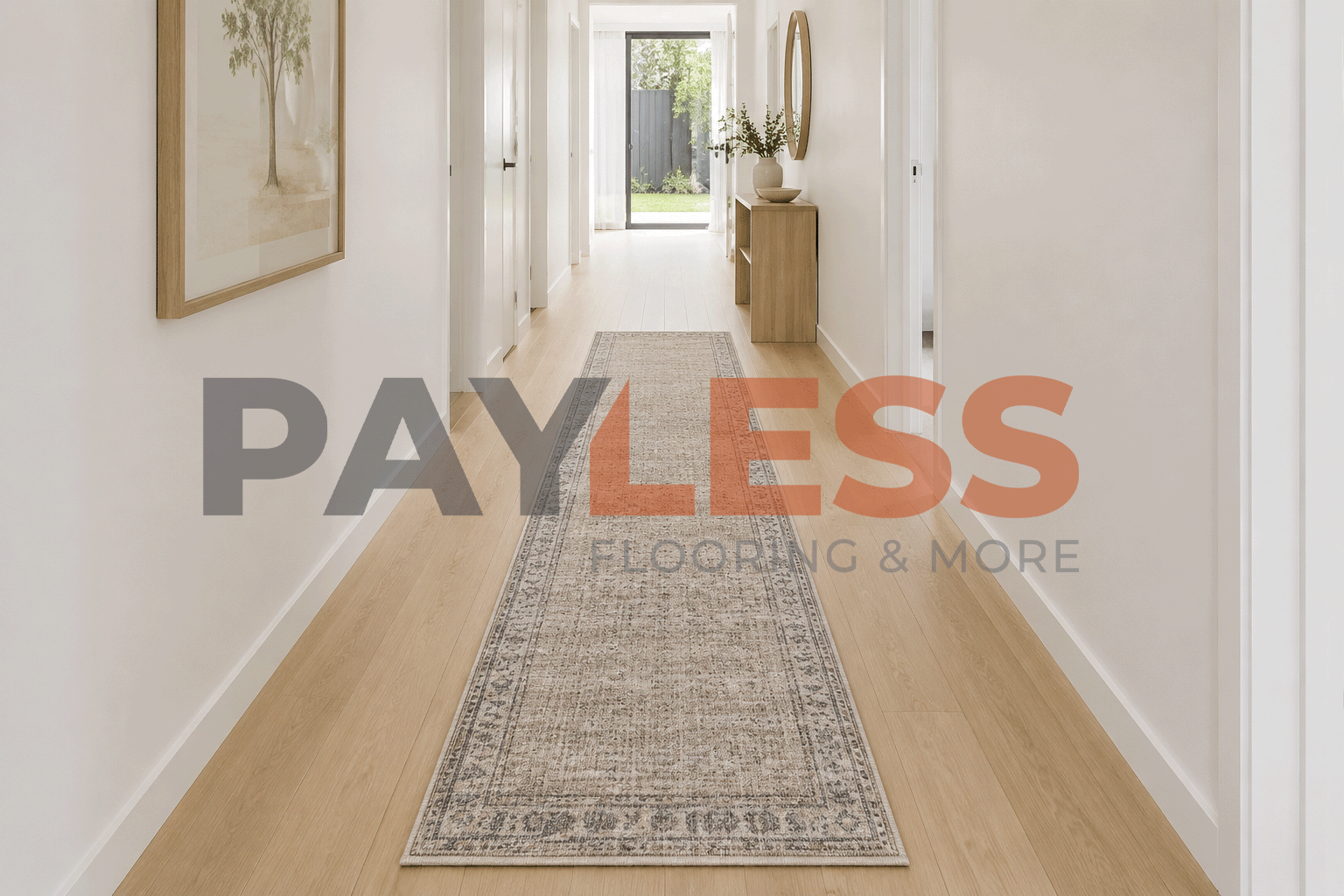
Hallway Runner Placement
Hallways typically use runner rugs rather than standard area rugs. The runner should follow the length of the hallway while leaving a consistent gap on both sides to avoid a cramped look.
Practical Considerations for High Traffic Areas
In Australian homes, sand, dust, and outdoor debris are common, especially in coastal regions. Choosing easy-to-clean materials and ensuring the rug is properly secured helps maintain both safety and appearance.
Entryway and Hallway Rug Guide
| Area | Recommended Rug Style | Placement Tip |
|---|---|---|
| Entryway | Medium area rug | Centre with border space |
| Narrow hallway | Runner rug | Equal side spacing |
| Wide hallway | Large runner or rug | Align with wall flow |
| High traffic entry | Durable flatweave | Prioritise practicality |
Which Rug to Place Under the Dining Table
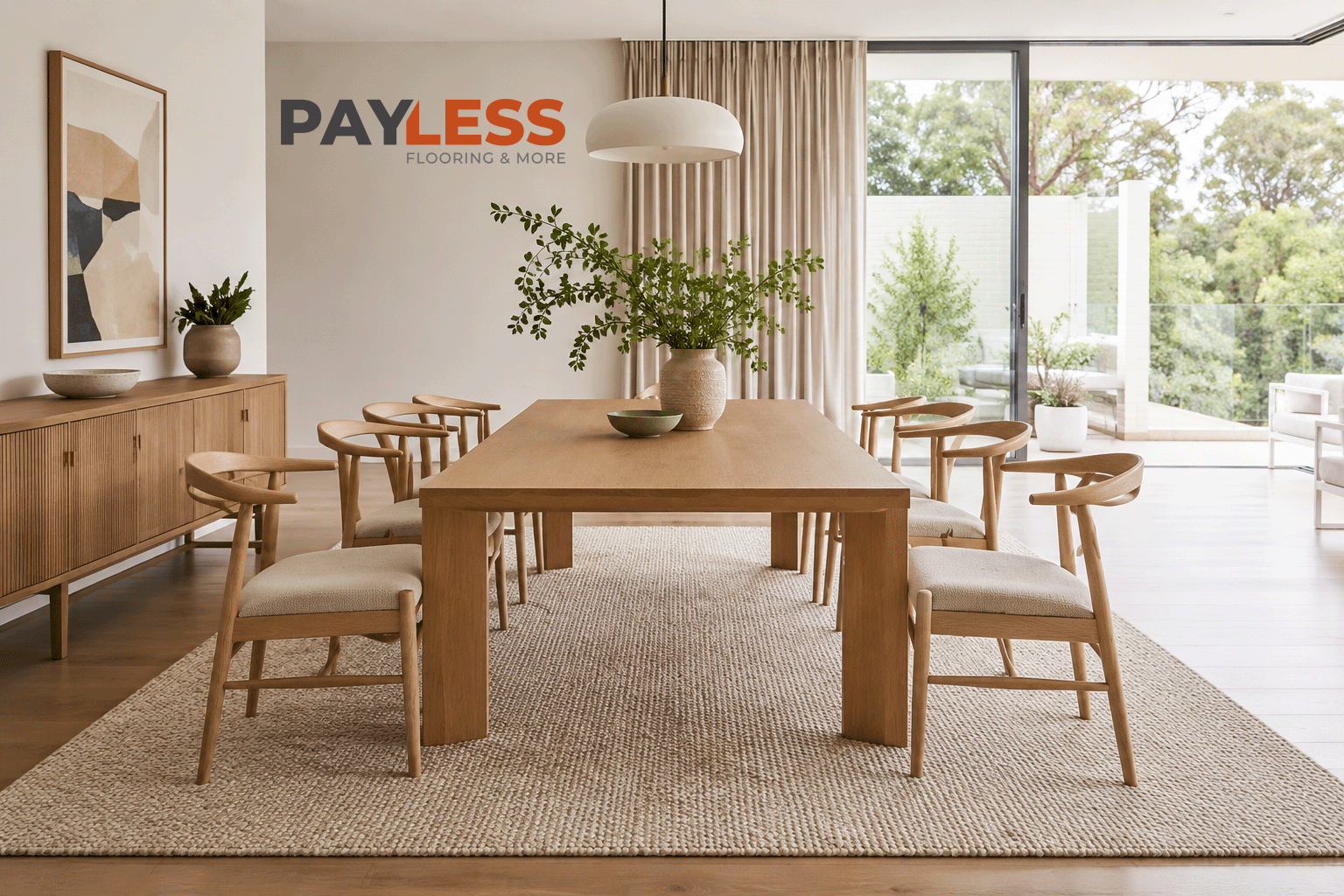
The dining area requires a rug that is both functional and visually balanced. The main rule is that the rug should be large enough to accommodate the table and chairs even when they are pulled out.
Proper Sizing for Dining Rugs
A dining rug should extend beyond the table edges to ensure chairs remain fully on the rug when in use. This prevents uneven surfaces and improves comfort during meals.
Shape Matching with Dining Tables
The shape of the rug should generally follow the shape of the table. A rectangular table pairs well with a rectangular rug, while round tables work best with circular rugs.
Material Considerations
Dining areas are prone to spills, so choosing a rug that is easy to clean is essential. Low-pile or flatweave rugs are often preferred in Australian homes for practicality.
Dining Rug Placement Guide
| Table Shape | Rug Shape | Recommended Extension |
|---|---|---|
| Rectangular | Rectangular | 60–75 cm beyond table |
| Round | Round | Even border all around |
| Square | Square or round | Balanced spacing |
| Oval | Oval | Follow table contour |
Bedroom Area Rug Placement
Bedroom rugs play a key role in adding comfort, warmth, and softness underfoot, especially in the morning. Proper placement can also enhance the sense of balance within the room.
Under the Bed Placement
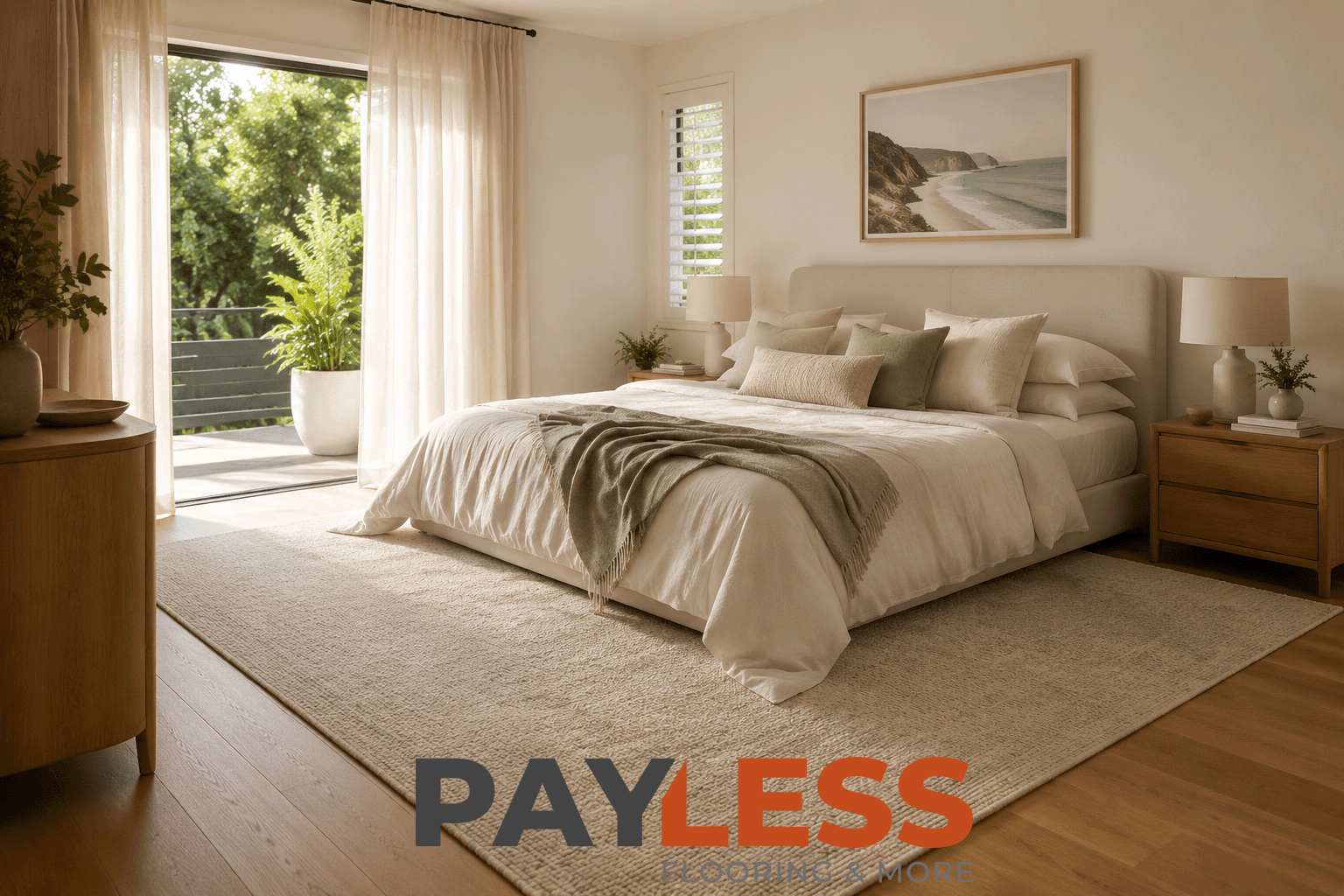
The most common approach is placing a large rug under the bed so that it extends on all visible sides. This creates a unified base for the entire sleeping area.
Side Rug Placement
In smaller bedrooms, two smaller rugs can be placed on either side of the bed instead of a single large rug. This is a practical option that still adds comfort and symmetry.
Foot of the Bed Styling
A smaller rug can also be placed at the foot of the bed to create a layered and stylish look without covering the entire floor space.
Bedroom Rug Placement Options
| Placement Style | Best For | Effect |
|---|---|---|
| Under full bed | Large bedrooms | Balanced, luxurious feel |
| Side rugs | Small bedrooms | Practical and cosy |
| Foot of bed | Styling focus | Decorative accent |
| Partial under bed | Medium rooms | Flexible layout |
How to Place Rugs in the Bathroom
Bathroom rugs need to be carefully selected due to moisture exposure and safety considerations. Unlike other rooms, functionality is more important than decorative styling in this space.
Placement Near Vanity and Shower
Small rugs or mats are usually placed near the vanity, shower, or bathtub to absorb water and provide comfort when stepping out.
Safety and Moisture Control
Non-slip backing is essential in bathrooms to prevent movement on wet floors. Materials should also be quick-drying to avoid moisture build-up.
Bathroom Rug Guide
| Area | Rug Type | Key Requirement |
|---|---|---|
| Vanity area | Small mat | Absorbent and soft |
| Shower exit | Bath mat | Non-slip backing |
| Bathtub area | Medium mat | Quick drying |
| Large bathrooms | Multiple mats | Zoned placement |
Kitchen Rug Placement Guide
Kitchens are high-activity areas, so rug placement must support both comfort and practicality. Rugs are often used to reduce fatigue while standing and to add warmth to hard flooring.
Runner Rugs in Kitchens
Runner rugs are commonly used in galley-style or long kitchens. They help guide movement and provide comfort along work areas.
Sink and Preparation Areas
Placing a rug near the sink or food preparation zones adds cushioning for long standing periods, improving comfort during cooking.
Kitchen Rug Guide
| Kitchen Area | Rug Type | Purpose |
|---|---|---|
| Sink area | Small rug | Comfort while standing |
| Galley kitchen | Runner rug | Floor coverage |
| Cooking zone | Heat-resistant rug | Practical support |
| Open kitchen | Large rug | Zone definition |
How to Place a Rug Under the Kitchen Table
Kitchen dining areas require rugs that can handle frequent movement and occasional spills. Placement must ensure chairs remain stable even when pulled out.
Ensuring Proper Clearance
The rug should extend well beyond the table edges to allow chairs to move freely without catching on the rug edges.
Choosing Practical Materials
Low-pile, easy-clean rugs are ideal for kitchen dining spaces. Synthetic blends are often preferred due to their stain resistance.
Kitchen Table Rug Guide
| Table Size | Rug Recommendation | Key Tip |
|---|---|---|
| Small table | Medium rug | Allow chair movement |
| Medium table | Large rug | Full chair clearance |
| Large table | Extra-large rug | Maintain symmetry |
| Breakfast nook | Round rug | Space efficiency |
Which Rug for Kitchen-Living Room Spaces
Open-plan kitchen-living areas require careful rug placement to define zones without breaking visual flow. The rug acts as a subtle divider between cooking and relaxation spaces.
Creating Visual Zones
A rug in the living area helps separate it from the kitchen while maintaining an open feel. This improves layout clarity without using physical barriers.
Coordinating Styles
In open spaces, rug style consistency is important. Neutral tones and simple textures help maintain harmony between kitchen and living zones.
Open-Plan Rug Guide
| Zone | Rug Type | Function |
|---|---|---|
| Living area | Large area rug | Defines lounge space |
| Kitchen edge | Runner or small rug | Functional support |
| Transition zone | Neutral rug | Visual balance |
| Dining space | Large rug | Anchors table area |
Area Rugs for Home Offices and Professional Studios
Home offices and creative studios benefit greatly from well-placed rugs, both in terms of comfort and acoustics. In Australian homes, where remote work has become increasingly common, rugs help define work zones and improve focus.
Creating a Defined Work Zone
A rug under a desk and chair helps visually separate the workspace from the rest of the room. This is especially useful in open-plan homes where work areas are not enclosed.
Improving Comfort and Acoustics
Rugs soften hard flooring and reduce echo, making video calls and meetings sound more professional. They also improve comfort when sitting or moving a chair frequently.
Home Office Rug Guide
| Office Setup | Rug Type | Placement Tip |
|---|---|---|
| Small desk | Medium rug | Desk fully centred |
| Large desk | Large rug | Chair movement included |
| Open-plan office | Neutral rug | Zone separation |
| Studio space | Textured rug | Acoustic improvement |
Area Rugs in the Children’s Bedroom
Children’s bedrooms require rugs that are safe, soft, and practical. The right rug can create a playful yet comfortable environment while also protecting flooring.
Comfort and Safety First
Soft, low-pile rugs are ideal for children’s rooms as they provide cushioning for playtime and reduce the risk of slips.
Creating Play Zones
Rugs can be used to define play areas, reading corners, or sleeping zones within the same room, especially in shared or multi-use bedrooms.
Children’s Room Rug Guide
| Purpose | Rug Type | Benefit |
|---|---|---|
| Play area | Soft large rug | Comfort and safety |
| Bedside | Small rug | Warmth underfoot |
| Reading corner | Medium rug | Defined space |
| Shared room | Large rug | Zoning effect |
Area Rugs for Reading or Relaxation Corners
Reading corners are becoming increasingly popular in Australian homes, especially in open-plan living spaces and bedrooms. A rug helps create a sense of separation and comfort in these small zones.
Creating a Calm Atmosphere
A soft rug under a chair or small sofa instantly makes the corner feel more inviting and private, even in shared spaces.
Layering for Comfort
Pairing a rug with a reading chair, floor lamp, and side table creates a complete relaxation zone that feels intentional and cosy.
Reading Corner Rug Guide
| Setup | Rug Size | Effect |
|---|---|---|
| Armchair corner | Small rug | Defined comfort zone |
| Window nook | Medium rug | Relaxed atmosphere |
| Library corner | Large rug | Full visual anchor |
| Open space corner | Textured rug | Subtle separation |
Where Does a Round Rug Look Best?
Round rugs are a great way to soften sharp angles and add visual interest to a room. They work particularly well in spaces where balance and flow are more important than strict symmetry.
Ideal Spaces for Round Rugs
Round rugs are commonly used in entryways, under round dining tables, or in compact seating areas where a softer visual layout is needed.
Creating Balance in Square Rooms
In square or rectangular rooms, a round rug can break monotony and introduce contrast, making the space feel more dynamic.
Round Rug Placement Guide
| Space | Best Use | Visual Impact |
|---|---|---|
| Entryway | Welcoming focal point | Soft first impression |
| Dining area | Under round table | Perfect symmetry |
| Bedroom corner | Accent piece | Relaxed styling |
| Living room | Feature zone | Visual contrast |
Common Rug Placement Mistakes to Avoid
Even high-quality rugs can lose their impact if placed incorrectly. Understanding common mistakes helps ensure a more balanced and professional-looking interior.
Choosing the Wrong Rug Size
One of the most frequent errors is selecting a rug that is too small for the space. This often results in disconnected furniture and a fragmented layout.
Ignoring Furniture Layout
A rug should always relate to furniture placement. Floating rugs without connection to seating or tables can make a room feel unfinished.
Poor Spacing From Walls
Placing a rug too close to the walls removes visual balance. On the other hand, too much distance can make the rug feel isolated.
Blocking Natural Walkways
Rugs should never interfere with natural movement paths. Proper placement ensures comfort and flow throughout the room.
Rug Placement Mistakes Summary
| Mistake | Result | Fix |
|---|---|---|
| Too small rug | Disconnected space | Choose larger size |
| No furniture link | Unbalanced design | Anchor with furniture |
| Wrong spacing | Poor proportions | Maintain 20–45 cm gap |
| Blocking walkways | Reduced flow | Reposition rug |
Conclusion
Understanding how far a rug should be from the wall is essential for creating balanced, functional, and visually appealing interiors. In Australian homes, where open layouts and natural light play a major role, correct rug placement helps define spaces without compromising openness.
Whether you are styling a living room, bedroom, kitchen, or home office, the key is to balance proportion, functionality, and visual flow. A well-placed rug not only enhances comfort but also elevates the overall design of the home.
By following simple spacing guidelines and considering room size, furniture layout, and lifestyle needs, you can create interiors that feel cohesive, practical, and professionally styled.