
What Is Engineered Timber Flooring?
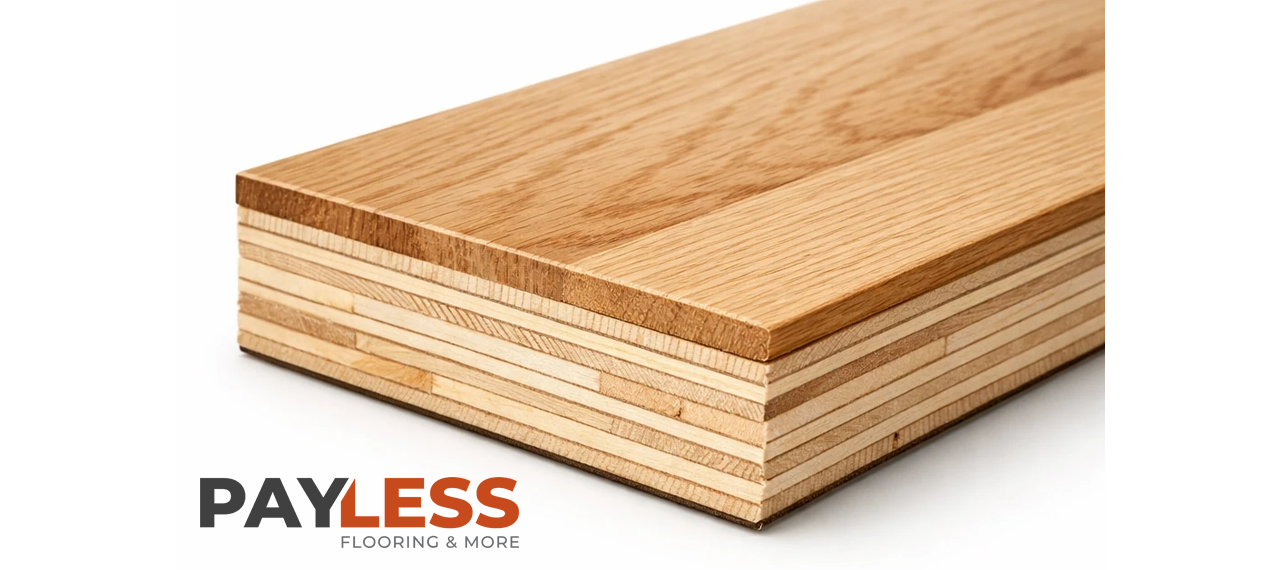
Engineered timber flooring is made from multiple layers of timber bonded together for stability. The top layer, called the wear layer, is real hardwood, usually 2 mm to 6 mm thick. Popular Australian species include blackbutt, spotted gum, Tasmanian oak and European oak.
Beneath this is a core of cross laminated plywood or high density fibreboard, with each layer laid in a different direction to reduce natural movement from temperature and humidity changes.
This clever layered design keeps the floor more stable than solid timber, reducing expansion, contraction, cupping and warping. High quality products use low VOC adhesives that meet Australian standards, helping to maintain healthy indoor air.
Engineered timber gives the natural warmth and character of real hardwood, while providing improved structural stability, making it suitable for most modern Australian homes.
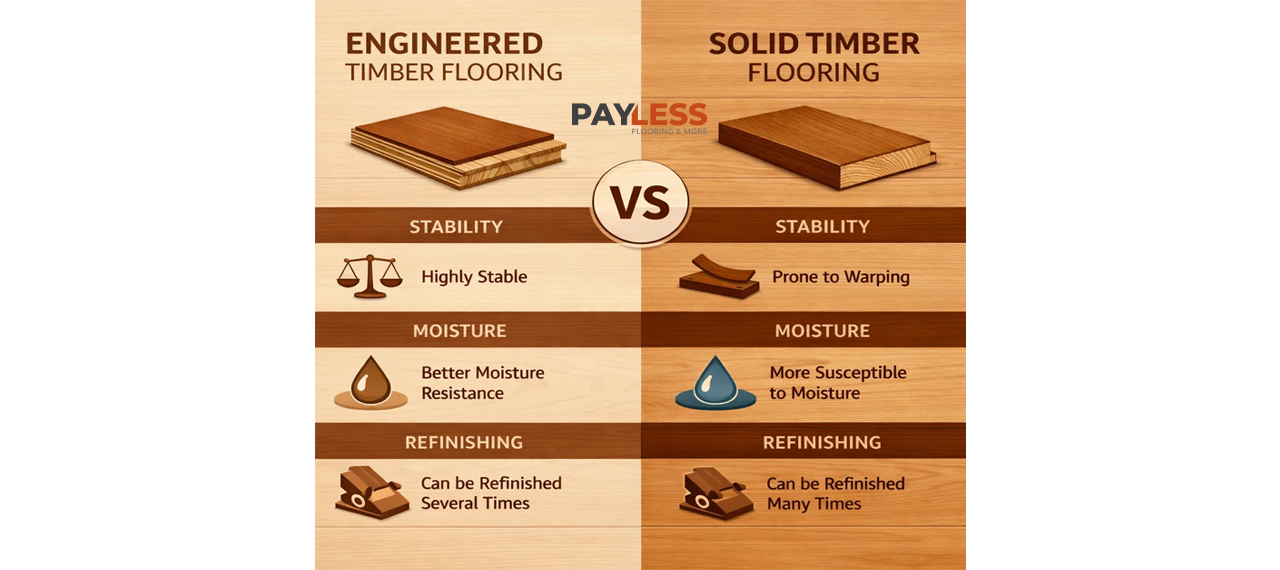
Pros of Engineered Timber Flooring
Stability
The cross layered core greatly reduces movement caused by seasonal humidity changes. This design helps engineered timber resist movement and warping more effectively than solid timber in areas with seasonal humidity or temperature changes.
Concrete Slab Compatibility
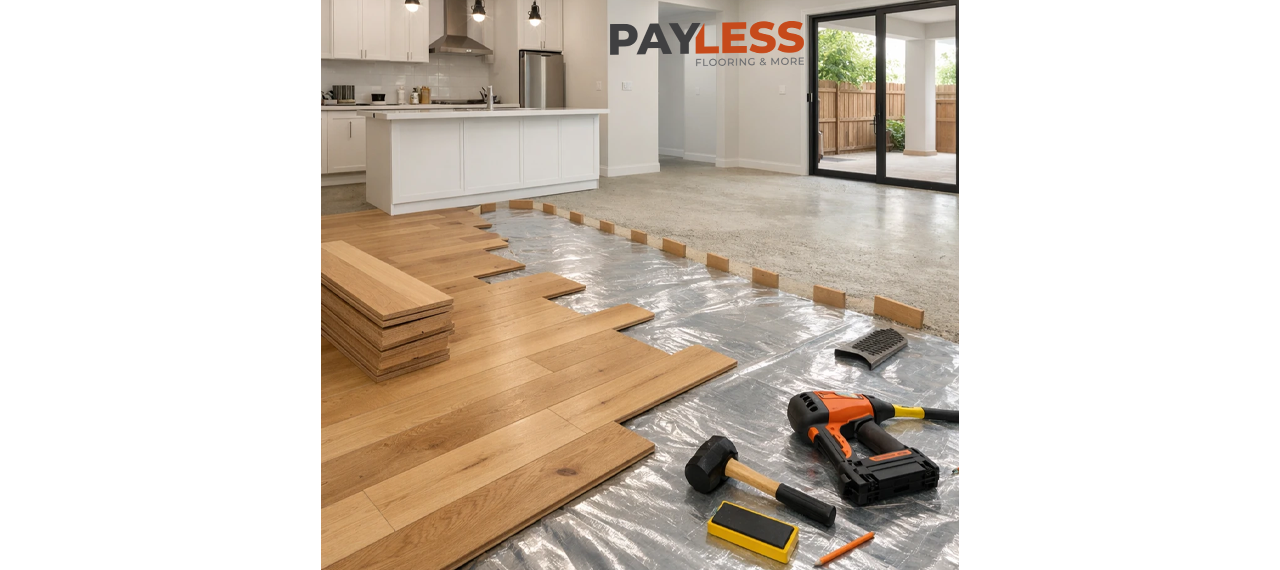
Engineered timber can be installed directly over concrete slabs when an approved moisture barrier is used. This works well for slab-on-ground construction, common in modern Australian homes.
Authentic Timber Appearance
With a genuine hardwood surface, engineered timber preserves natural grain patterns, texture and colour variation similar to traditional solid timber flooring.
Installation Flexibility
It can be installed as a floating, glue-down or nail-down system depending on the subfloor. Many products come pre-finished with UV cured coatings for added durability. Most engineered timber floors are compatible with underfloor heating when installed correctly.
Sustainability
Engineered timber uses less solid hardwood per square metre than full solid timber boards. FSC certified options are available for environmentally conscious homeowners.
Cons of Engineered Timber Flooring
Limited Refinishing
Refinishing depends on wear layer thickness. Thinner boards may allow one sanding cycle, while thicker boards can allow two or three cycles. Solid timber usually permits more refinishing over its lifespan.
Quality Variation
Performance and durability depend on the quality of the core, adhesives and overall manufacturing standards. Lower quality products may be prone to delamination or reduced lifespan.
Moisture Sensitivity
Engineered timber is not waterproof. Prolonged exposure to standing water can cause swelling or surface damage. Proper moisture testing and subfloor preparation are essential, especially in coastal Australian homes.
Acoustic Considerations
Timber flooring can transmit sound in multi-storey dwellings. Acoustic underlays are recommended where noise reduction is important.
Engineered Timber Flooring Pros and Cons Comparison Table
Picking the right timber floor can feel overwhelming. To make it easy, we’ve put together a simple table comparing engineered timber with solid timber. It breaks down the key pros and cons of each type including how stable they are in Aussie conditions, how many times they can be refinished, how they handle moisture, and which homes they suit best. Take a quick look to see which option fits your space and lifestyle perfectly.
| Feature | Engineered Timber Flooring | Solid Timber Flooring |
|---|---|---|
| Construction | Multi-layer core with hardwood wear layer | Single solid hardwood plank |
| Stability in Australian climate | High (reduced movement) | Moderate (more reactive to humidity) |
| Refinishing cycles | 1–3 (depending on wear layer thickness) | 5+ possible |
| Concrete slab installation | Yes (with approved moisture barrier) | Usually requires battens or raised subfloor |
| Moisture resistance | More stable than solid timber | Lower |
| Lifespan with proper care | 20–50 years | 50–100+ years |
| Best suited for | Modern homes, slab construction, humidity variation | Heritage homes, extensive refinishing |
Note: “Refinishing cycles” tells you how many times the floor can be sanded engineered timber depends on the top layer thickness, while solid timber can usually be refinished 5 times or more.
Uses of Engineered Timber Flooring in the Home
Engineered timber is suitable for most indoor living areas, making it a versatile choice for Australian homes.
Living rooms
These spaces benefit from the durability and seamless, warm appearance of engineered timber, creating a welcoming environment for family and guests.
Bedrooms
Engineered timber provides comfort underfoot and a natural timber aesthetic, making bedrooms feel inviting and cozy.
Hallways
Hallways experience moderate foot traffic, and engineered timber can handle this while maintaining its finish and appearance over time.
Open-plan spaces
Continuous timber flooring across large open-plan areas enhances the visual flow and style of the home.
Kitchens
Moisture-resistant engineered timber can be used in kitchens if spills are cleaned quickly, but care is needed to prevent water damage while still enjoying the natural warmth of real wood.
Bathrooms and laundries
Only engineered timber products specifically rated for wet areas should be used here to prevent swelling or surface issues.
Engineered timber’s compatibility with concrete slabs makes it particularly suitable for slab-based homes and apartments, which are common in modern Australian construction. It also works well for renovation projects where solid timber may be harder to install.
Why Engineered Timber Flooring Is Popular in Australia?
Australia has a diverse climate, ranging from humid coastal regions to drier inland areas. Flooring needs to withstand temperature and humidity fluctuations throughout the year while maintaining appearance and performance.
Climate adaptability
Engineered timber’s layered construction limits seasonal movement, keeping floors stable and consistent across different environments, including coastal homes with higher humidity.
Stability and performance
The cross-layered design reduces expansion, contraction, cupping and warping, making engineered timber more reliable than solid timber in many Australian conditions.
Design trends and sustainability
Current design trends favour wide planks, natural warm tones and matte finishes, which complement contemporary interiors. FSC certified and low VOC engineered timber products are increasingly popular among environmentally conscious homeowners, providing both a healthy indoor environment and a sustainable choice.
Overall, engineered timber combines beauty, practicality and longevity, making it a popular choice for many Australian homes, from city apartments to coastal houses.
What to Consider When Choosing an Engineered Timber Floor
- Wear layer thickness affects longevity and refinishing potential.
- Core quality matters plywood cores typically perform better than lower-grade fibreboard.
- Subfloor moisture testing is essential before installation.
- Boards should acclimatise according to manufacturer guidelines.
- Wider boards require a flatter subfloor to minimise movement.
- Species selection impacts durability. Hard Australian timbers such as blackbutt and spotted gum offer strong performance.
- Professional installation ensures moisture control and protects warranties.
Is Engineered Flooring the Right Choice for You?
Engineered timber is an excellent choice for homeowners who want the look and warmth of real timber, combined with better stability and practical installation over concrete slabs.
It works well in most modern Australian homes, especially those experiencing seasonal changes in humidity.
If you anticipate frequent heavy refinishing or your space is exposed to constant moisture, other flooring options may be more suitable.
For many contemporary homes, engineered timber provides a balanced mix of style, durability and long term performance, making it a practical yet beautiful flooring choice across Australia.
Engineered Timber Flooring vs Solid Timber
Engineered timber offers excellent stability and flexible installation, while solid timber provides full-thickness authenticity and deeper refinishing potential. For an easy-to-read comparison, we’ve created a simple table to help you see the key differences.
Performance Comparison Table
| Engineered Timber (Layered Construction) | Solid Timber (Full Thickness Wood) | Performance Factor |
|---|---|---|
| More stable due to cross-layer construction | Expands and contracts more noticeably | Humidity response |
| Generally faster | Often longer due to subfloor requirements | Ease of installation |
| Usually compatible | Limited compatibility | Underfloor heating |
| Moderate | High | Refinishing potential |
| Strong | Requires additional structure | Stability on concrete slabs |
Note: Engineered timber is more stable and easier to install, while solid timber offers deeper refinishing potential but may need extra preparation on concrete slabs. This table helps you quickly see which option suits your home best.