
Hybrid flooring has rapidly become one of the most in-demand flooring choices across Australia, thanks to its strong balance of durability, waterproof performance, and modern timber-inspired design. It is specifically engineered to suit the demands of everyday Australian living, where homes often deal with high foot traffic, changing weather conditions, and a mix of indoor and outdoor lifestyles.
From busy family homes in major cities like Sydney and Melbourne to coastal properties exposed to humidity, salt air, and sandy floors, hybrid flooring is designed to perform consistently without the ongoing maintenance requirements of traditional timber. It offers a practical solution for homeowners who want a stylish, contemporary floor that can handle real-life conditions with ease.
Unlike older flooring options that often require compromise between appearance and functionality, hybrid flooring delivers both in one system. It combines advanced core technology with realistic surface design, making it a reliable choice for new builds, renovations, and investment properties across Australia.
Why Hybrid Flooring Is Growing Fast in Australia?
Hybrid flooring has quickly become one of the most popular and highly regarded flooring options right across Australia and it’s easy to understand why. It delivers a genuinely practical combination of outstanding durability, complete waterproof performance, and a warm, natural timber look without the common drawbacks that come with traditional flooring types.
Designed for Real Australian Living Conditions
Whether you’re renovating a lively family home in Sydney’s western suburbs, building new in Melbourne’s growth corridors, battling coastal humidity and salt air on the Gold Coast and Sunshine Coast, or dealing with tracking sand and significant temperature swings in Perth, hybrid flooring is specifically designed to cope with real Australian living conditions.
We’re talking about active kids racing through the house, dogs with sharp claws, muddy boots from the backyard, sudden summer storms, and the constant humidity changes that many parts of the country experience. Traditional solid timber can look beautiful, but it requires regular maintenance and is highly sensitive to moisture. Laminate is more budget-friendly yet often fails in wet zones. Hybrid flooring was developed precisely to overcome these frustrations by intelligently combining the strongest features of several materials into one reliable, high-performance solution.
What You’ll Learn in This Guide
In this detailed Australian guide, we’ll take a close look at exactly what hybrid flooring is, how it performs in our unique climate, where it works best, and the key things to consider when making your choice.
What Is Hybrid Flooring?
Core Structure and Composition
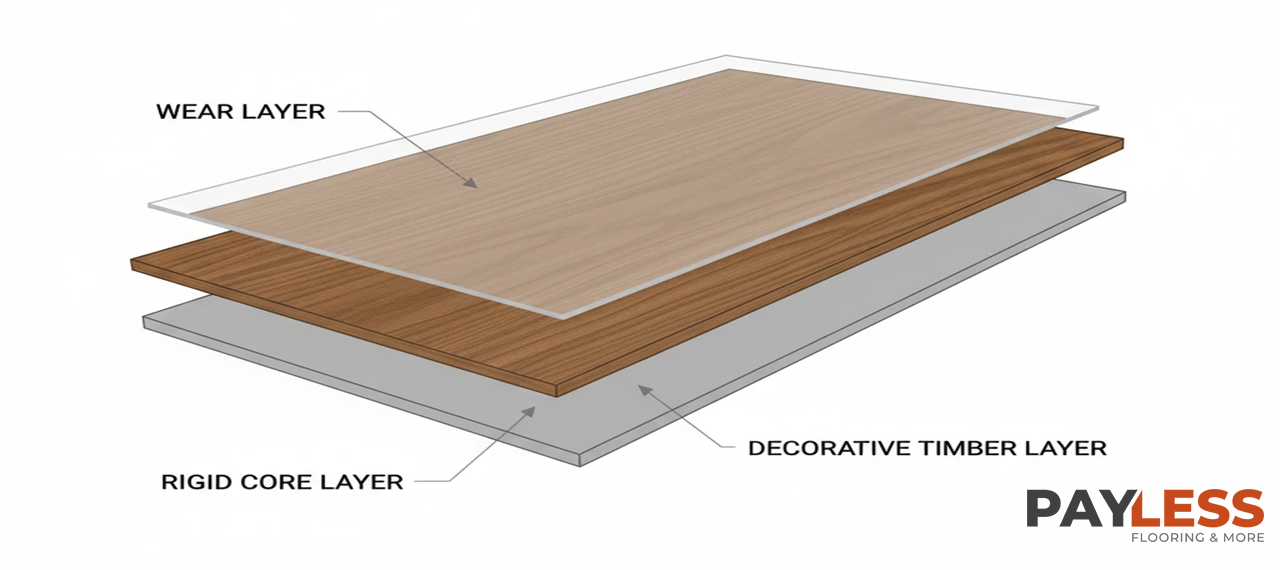
Hybrid flooring is a sophisticated multi-layer engineered flooring product that brings together the realistic timber aesthetics and strong scratch resistance of laminate with the excellent waterproofing qualities of vinyl, all built upon a rigid core.
SPC vs WPC Core Explained
In the Australian market today, the majority of hybrid flooring features an SPC (Stone Plastic Composite) core. This dense core is made from a precise blend of limestone powder, PVC, and stabilising agents, resulting in a very strong, stable, and fully waterproof foundation. Some ranges use WPC (Wood Plastic Composite) cores, which generally offer a slightly softer and warmer feel underfoot along with improved natural sound absorption.
Surface Layers and Protection System
Sitting above the rigid core is a high-definition decorative layer that beautifully replicates natural timber grain and texture, protected by a tough wear layer — typically 0.5mm in mid-range products and up to 0.7mm in premium collections. Many higher-end hybrid floors also include an integrated acoustic underlay that significantly reduces noise transmission, which is particularly valuable in double-storey homes and apartments.
Why This Structure Matters in Australia
This advanced layered construction creates a floor that remains remarkably stable, looks convincingly like real timber, and performs reliably across a wide range of everyday Australian conditions.
Why Is It Called “Hybrid” Flooring?
Combination of Multiple Flooring Technologies
The term “hybrid” comes directly from the way this flooring smartly blends the best characteristics of different materials. It combines the beautiful, high-resolution timber visuals and excellent scratch resistance of laminate with the superior water resistance of vinyl plank flooring.
Eliminating Traditional Flooring Weaknesses
The rigid core then enhances both by delivering exceptional strength and dimensional stability.
A Balanced Solution for Australian Homes
The end result is a flooring solution that removes many of the usual compromises.
Australian homeowners no longer need to choose strictly between aesthetics and practicality hybrid flooring delivers both in one well-balanced product.
The Benefits Of Hybrid Flooring
Why It Suits Australian Lifestyles
Hybrid flooring has experienced massive growth in popularity across Australia because it is purpose built for the way we actually live busy households, variable climates, and homes that need to stay looking good with minimal fuss.
Minimal Expansion And Contraction Of Hybrid Flooring
Handling Australia’s Climate Changes
One of the most common complaints with traditional timber and some vinyl floors in Australia is excessive movement caused by our dramatic seasonal temperature and humidity changes. From hot, humid summers in Queensland to cooler, drier winters in southern states, floors can expand, contract, develop gaps, or even buckle.
Stability Advantages of SPC Core
Hybrid flooring, particularly those with an SPC core, offers superior dimensional stability. It reacts far less to heat, cold, and moisture fluctuations, making it an excellent choice for large open-plan living areas that are so common in modern Australian homes.
Benefits for Open-Plan Homes
Installers often favour it because it allows for longer continuous runs with fewer transition strips, resulting in a cleaner and more seamless finish.
100% Waterproof
True Waterproof Performance Explained
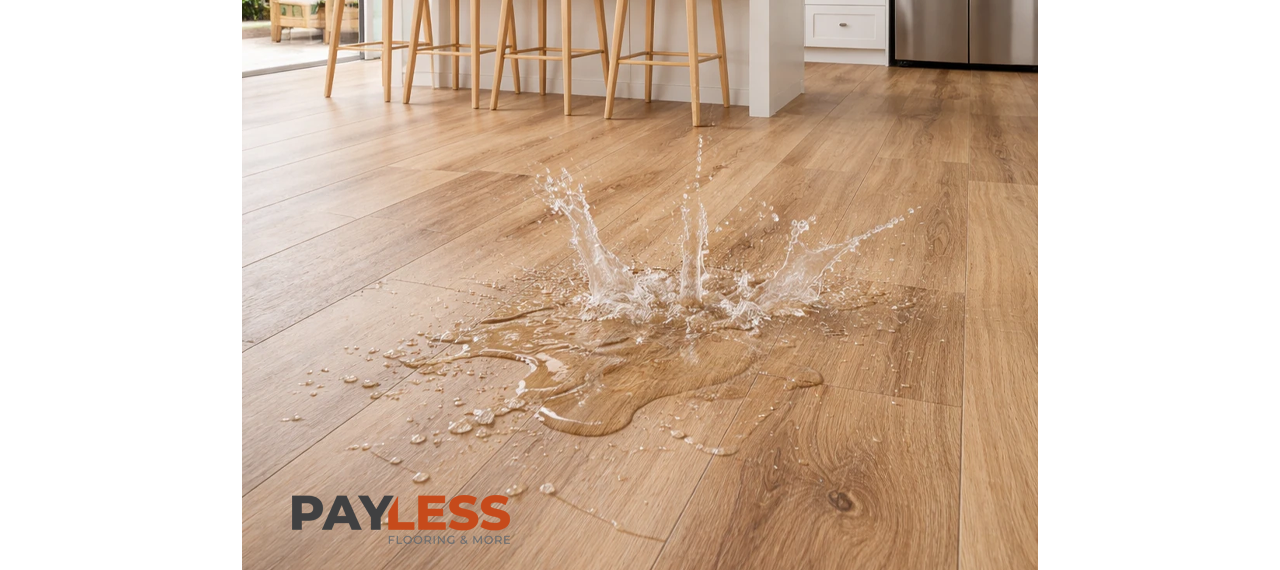
This is one of hybrid flooring’s standout advantages. Unlike laminate, which can swell and suffer permanent damage when exposed to water, quality hybrid flooring is 100% waterproof from top to bottom.
Ideal Areas for Installation
Spills, splashes, pet accidents, and even minor leaks in laundries won’t compromise the structural integrity of the floor. This makes it an exceptionally practical choice for kitchens, laundries, entryways, and bathrooms (when used on the surface with correct installation and sealing).
Waterproof Performance Table
| AREA | SUITABILITY | RECOMMENDATION FOR AUSSIE HOMES |
|---|---|---|
| Kitchen | Excellent | Ideal for busy family life |
| Laundry | Excellent | Handles appliance leaks well |
| Living Room | Excellent | Perfect for open-plan designs |
| Bedroom | Excellent | Comfortable and quiet |
| Bathroom (Surface Use) | Suitable | Works well with proper installation |
This breakdown makes it easier to evaluate where hybrid flooring is the smartest choice for different areas of an Australian home.
Hard Wearing And Durable
Built for High-Traffic Households
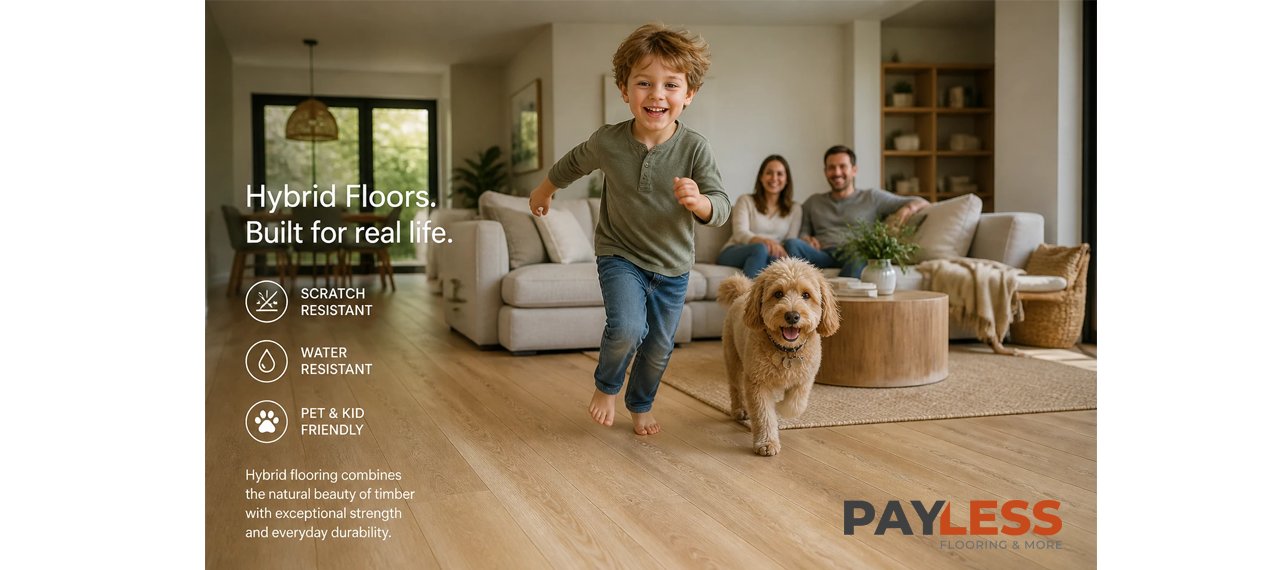
Hybrid flooring is engineered to withstand the demands of real Australian family living.
Wear Layer Importance
A quality wear layer preferably 0.5mm or thicker delivers strong protection against scratches from pet claws, scuffs from furniture, and constant foot traffic.
Long-Term Durability Benefits
Premium ranges with 0.7mm wear layers are especially popular in homes with children and dogs, as they also resist fading from intense Australian sunlight far better than thinner alternatives.
Beautiful Timber Look
Realistic Timber Designs
Today’s hybrid flooring features impressively realistic timber visuals.
Popular Australian Timber Styles
Advanced printing and deep embossing technologies allow manufacturers to closely replicate beloved Australian hardwood species such as Blackbutt, Spotted Gum, Tasmanian Oak, and Jarrah.
Aesthetic vs Maintenance Balance
For many homeowners, hybrid flooring offers the best of both worlds the warm, premium timber aesthetic they love, without the high initial cost or ongoing maintenance associated with real hardwood.
Where Does Hybrid Flooring Work Best?
Whole-Home Flooring Solution
One of the greatest strengths of hybrid flooring is its impressive versatility. It functions effectively across nearly every area of the home.
Room Suitability Table
| AREA | SUITABILITY | RECOMMENDATION FOR AUSSIE HOMES |
|---|---|---|
| Kitchen | Excellent | Ideal for busy family life |
| Laundry | Excellent | Handles appliance leaks well |
| Living Room | Excellent | Perfect for open-plan designs |
| Bedroom | Excellent | Comfortable and quiet |
| Bathroom (Surface Use) | Suitable | Works well with proper installation |
This comparison explains why hybrid flooring is increasingly preferred for complete home renovations in Australia.
Is Hybrid Flooring Right For You?
Ideal Use Cases
For most Australian households, hybrid flooring is a highly practical and well-balanced choice that fits effortlessly into modern living. It is especially well-suited to busy families, pet owners, and homes with high daily foot traffic where durability and easy maintenance are essential.
It also performs particularly well in open-plan layouts, which are very common in Australian homes, because its rigid core helps maintain stability across larger continuous spaces. In coastal regions or humid climates, hybrid flooring is often preferred due to its excellent resistance to moisture and its ability to handle changing environmental conditions without warping or swelling.
If you’re looking for a flooring solution that combines a realistic timber appearance with low upkeep and strong everyday performance, hybrid flooring is often one of the most reliable all-round options available in the Australian market.
When to Consider Alternatives
However, if your priority goes beyond practicality and leans more toward natural character and premium feel, you may want to explore traditional timber options. Solid hardwood and engineered wood flooring offer a unique warmth, natural grain variation, and acoustic softness that synthetic materials can’t fully replicate.
These alternatives are often preferred in higher-end architectural homes or spaces where design authenticity and material richness are more important than waterproof performance or low maintenance. They also provide a more “natural underfoot” feel that some homeowners value for comfort and lifestyle reasons.
That said, they do come with higher maintenance requirements and are generally more sensitive to moisture, scratches, and environmental changes — which is why they may not suit every Australian household.
Hybrid Flooring Thickness
Why Thickness Matters?
Thickness is one of the most important factors when choosing hybrid flooring, as it directly affects overall stability, comfort underfoot, sound insulation, and long-term durability. In Australian homes, where flooring often needs to handle heavy foot traffic, large open-plan areas, and daily family activity, the right thickness can make a noticeable difference in both performance and feel.
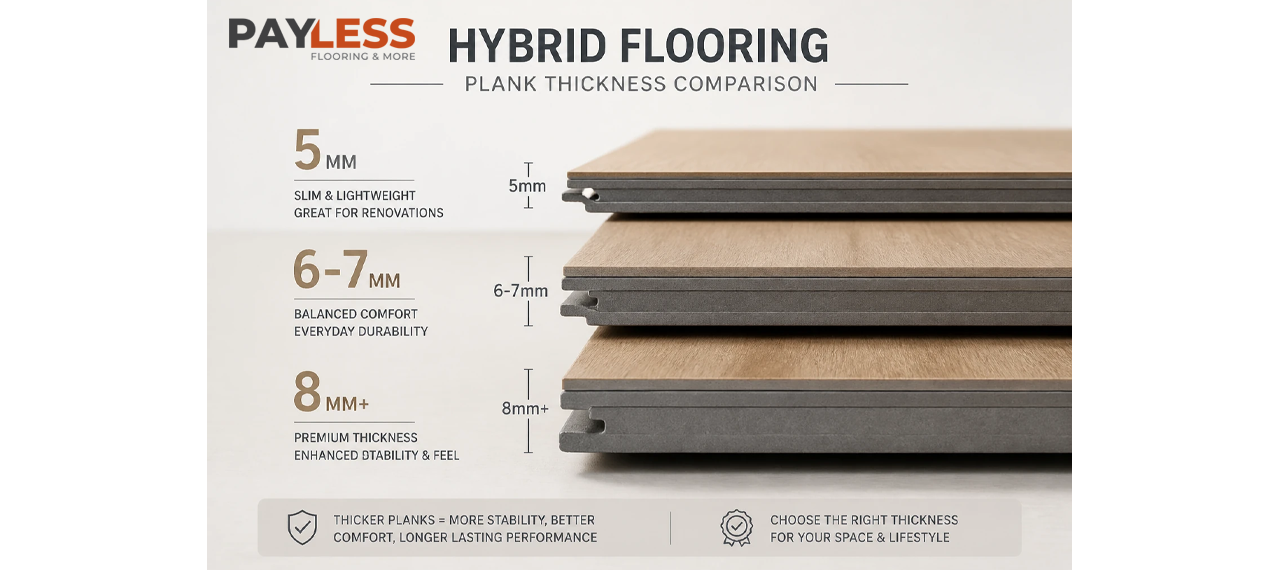
A thicker board generally provides a more solid, premium sensation when walking, reduces noise transmission between rooms, and improves the floor’s ability to handle uneven subfloors. It can also enhance the overall lifespan of the flooring, especially in high-use areas such as living rooms, hallways, and kitchens.
On the other hand, thinner hybrid options may still be suitable for low-traffic areas or apartments, but they typically offer less acoustic comfort and a lighter underfoot feel.
Thickness Comparison Table
| THICKNESS | BEST SUITED FOR | PERFORMANCE NOTES |
|---|---|---|
| 4–5MM | Low-traffic rooms and apartments | Budget-friendly with lighter feel |
| 6–7MM | Most family homes and open-plan spaces | Excellent balance of performance and value |
| 8MM+ | Busy households with pets and high traffic | Superior stability and premium solid feel |
This comparison explains why hybrid flooring is increasingly preferred for complete home renovations in Australia.
What Thickness Is Best?
Best Range for Most Homes
For most Australian family homes, a thickness of 6mm to 7mm offers the ideal balance between comfort, durability, sound control, and overall value. This range is widely considered the “sweet spot” because it provides a solid underfoot feel without significantly increasing installation costs.
It also performs well in typical residential settings such as living rooms, bedrooms, and standard open-plan layouts, where everyday foot traffic is consistent but not extreme. For many homeowners, this thickness level delivers reliable long-term performance while still keeping the project budget-friendly.
When to Go Thicker
If your home experiences heavier daily use, has multiple pets, or features large open-plan areas with constant movement, upgrading to 8mm or thicker hybrid flooring is often a smarter long-term investment.
Thicker boards generally provide improved stability, better noise reduction, and a more premium, solid feel underfoot. They also tend to handle subfloor imperfections more effectively, which can contribute to a smoother and more refined finish across larger spaces.
In busy Australian households or high-traffic environments, this extra thickness can noticeably enhance comfort and durability over time.
SPC vs WPC Hybrid Flooring
Key Differences Explained
When selecting hybrid flooring in Australia, understanding the difference between SPC (Stone Plastic Composite) and WPC (Wood Plastic Composite) cores is crucial, as it has a direct impact on how the floor feels, performs, and lasts over time.
SPC hybrid flooring features a highly dense, rigid core made from limestone and stabilised PVC. This structure gives it exceptional strength, superior stability, and excellent resistance to dents, heavy furniture, and high foot traffic. It is particularly well suited to busy Australian homes, large open-plan living areas, and spaces that demand long-term durability with minimal movement.
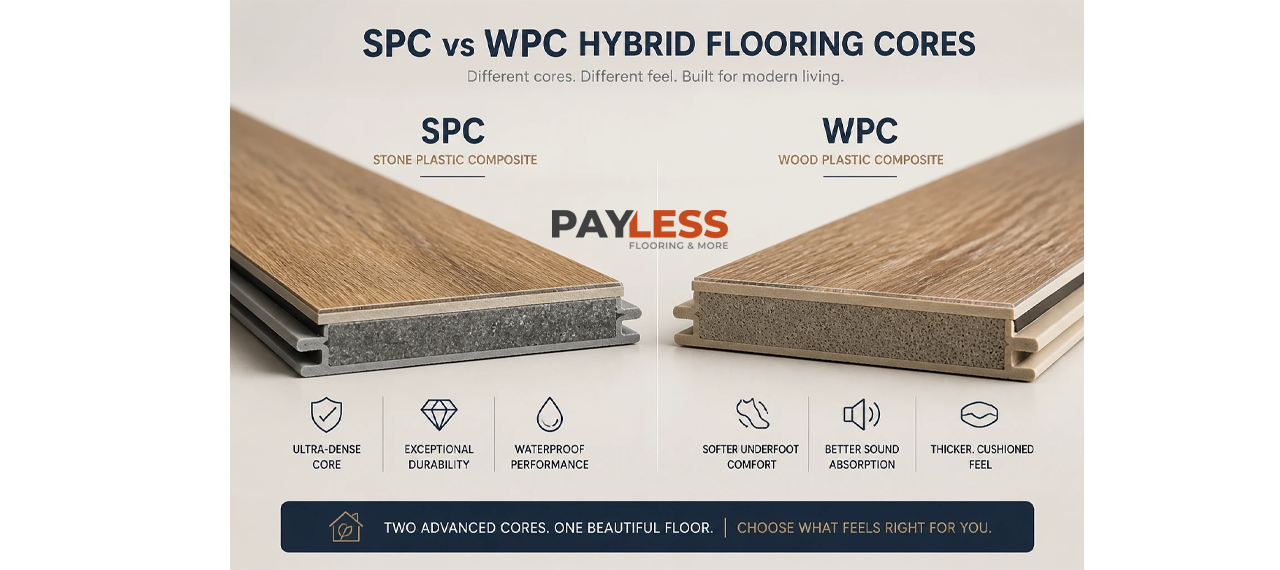
WPC hybrid flooring, by contrast, has a slightly softer and more cushioned core. This makes it more comfortable underfoot and naturally better at absorbing sound, creating a quieter and warmer walking experience. While still fully waterproof and durable, it is often preferred in bedrooms or areas where comfort and acoustic softness are more important than maximum rigidity.
Both SPC and WPC perform well in Australian conditions, but the best choice ultimately comes down to your priorities SPC for strength, stability, and heavy use, or WPC for comfort, warmth, and reduced noise.
SPC vs WPC Comparison Table
| FEATURE | SPC HYBRID | WPC HYBRID |
|---|---|---|
| STABILITY | Very high & rigid | Moderate, slightly more flexible |
| UNDERFOOT COMFORT | Firmer | Softer and warmer |
| SOUND ABSORPTION | Good (especially with underlay) | Naturally better |
| BEST SUITED FOR | High-traffic areas, coastal homes | Bedrooms and quieter living spaces |
This comparison explains why hybrid flooring is increasingly preferred for complete home renovations in Australia.
How To Care For Hybrid Flooring
Daily and Weekly Care Routine
One of the biggest advantages of hybrid flooring is its low-maintenance nature compared to traditional timber flooring, making it ideal for busy Australian households. With just a simple routine, you can keep the floor looking clean and performing well for years without heavy upkeep.
Daily care usually involves quickly removing surface dust, dirt, and grit — especially in high-traffic areas where outdoor debris is commonly tracked inside. Weekly maintenance is more about a light refresh to maintain appearance and hygiene, without over-wetting or using harsh products.
Cleaning Best Practices
Regular dry sweeping or vacuuming is essential to remove abrasive particles like sand and dust that can cause micro-scratches over time. This is particularly important in Australian homes, where outdoor-indoor living is common.
A light damp mop using a pH-neutral cleaner is usually enough to restore freshness and remove everyday marks. The key is to use minimal moisture and avoid over-wetting the surface, ensuring the floor maintains its waterproof performance and long-term durability.
Hybrid Flooring Care Table
| CARE METHOD | PURPOSE | RECOMMENDED FREQUENCY |
|---|---|---|
| SWEEPING / VACUUMING | Removes dust and grit that cause micro-scratches | Daily or every second day |
| DAMP MOPPING | Cleans the surface safely without excess moisture | Weekly |
| IMMEDIATE SPILL CLEANUP | Prevents residue build-up or dulling | As soon as spills occur |
| GENTLE PH-NEUTRAL CLEANERS | Protects the wear layer and maintains finish | When mopping |
Hybrid Vs. Other Flooring
Market Comparison Overview
Comparing hybrid flooring with other common flooring types makes it much easier to understand why it has become such a popular choice across Australian homes. It clearly highlights how hybrid flooring balances waterproof performance, durability, appearance, and low maintenance in a way that few other options can match.
Flooring Comparison Table
| FEATURE | HYBRID (SPC) | LAMINATE | LUXURY VINYL | SOLID / ENGINEERED TIMBER |
|---|---|---|---|---|
| WATERPROOF | Yes (100%) | No | Yes | No |
| SCRATCH RESISTANCE | High | High | Medium | Low–Medium |
| STABILITY | Excellent | Good | Good | Variable |
| MAINTENANCE | Low | Low | Low | High |
| TIMBER APPEARANCE | Highly Realistic | Realistic | Variable | Fully Authentic |
This comparison makes it easier to see why hybrid flooring is often the preferred choice over laminate, vinyl, and timber for modern Australian homes.
Conclusion
Final Thoughts for Australian Homeowners
Hybrid flooring has firmly established itself as one of the most practical, versatile, and well-balanced flooring solutions for Australian homes. It brings together durability, waterproof protection, and realistic timber aesthetics in a way that suits the demands of modern family living.
LongTerm Value and Performance
By choosing the right core type, thickness, and wear layer for your home and following a simple, consistent care routine hybrid flooring can deliver strong, reliable performance for 15 to 25 years or more. Its ability to handle daily wear, moisture, and high traffic makes it a dependable long-term flooring solution across a wide range of Australian conditions.
Why It’s a Smart Investment?
Whether you’re completing a full home renovation or upgrading key living areas, hybrid flooring offers a cost-effective, low-maintenance solution that doesn’t compromise on appearance or performance. It’s designed to handle real Australian lifestyles while maintaining a modern, high-end look that adds lasting value to your home.