
Choosing flooring in Australia is never just about looks. It’s about how a home actually lives day to day foot traffic from kids running through the hallway, pets scratching across the floor, spills in the kitchen, humidity near the coast, and the general wear that comes with modern living.
That’s exactly why hybrid flooring has become such a strong contender in the Australian market.
Hybrid flooring sits in that “sweet spot” between laminate and vinyl. It gives you a timber look finish without the constant upkeep of real hardwood, while also handling moisture better than traditional laminate flooring.
But like any flooring option, it comes with trade offs. It’s not perfect, and it’s not meant to be.
This guide breaks down hybrid flooring pros and cons in a practical, real world way so you can understand what actually works in Australian homes in 2026.
What Is Hybrid Flooring?
Hybrid flooring is a rigid floating floor that combines features of laminate and vinyl into a single engineered plank.
It is designed for modern Australian homes where durability, water resistance and easy maintenance matter just as much as appearance.
Unlike traditional timber, hybrid flooring does not use solid wood. Instead, it uses a printed decorative layer that replicates natural timber, combined with a rigid waterproof core.
This makes it suitable for areas where real timber would struggle, especially kitchens, hallways and busy living spaces.
At its core, hybrid flooring is built for practicality not just aesthetics.
Hybrid Flooring Overview
| Feature | Description |
|---|---|
| Look | Timberstyle design |
| Structure | Rigid multilayer plank |
| Installation | Floating clicklock system |
| Water Resistance | High |
| Maintenance | Very low |
| Common Use | Residential & apartments |
Notes:
- Designed for Australian climate conditions
- Popular in renovations and new builds
- Works well in high traffic homes
How Hybrid Flooring Is Constructed?
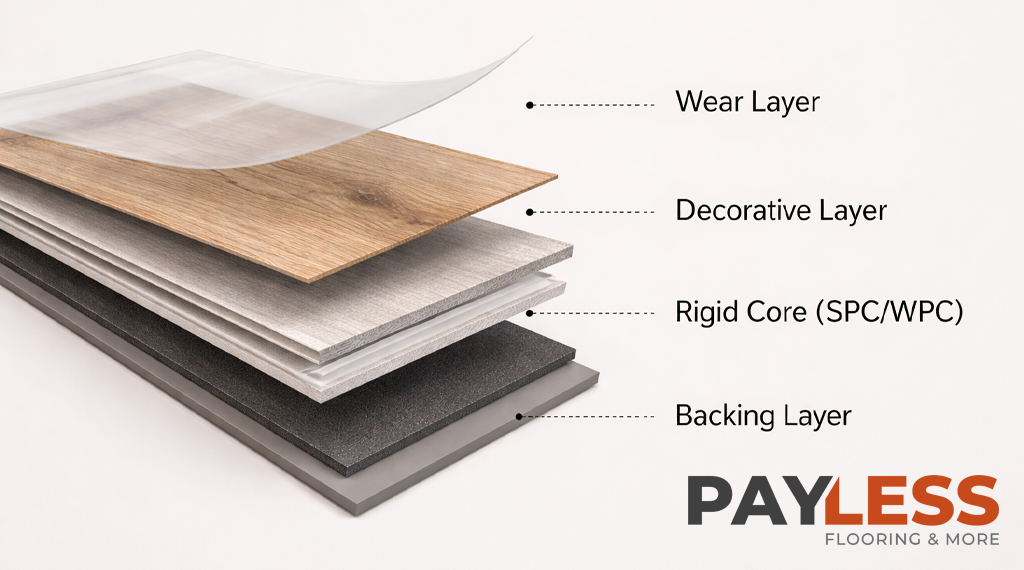
Hybrid flooring is made using multiple engineered layers, each designed for a specific function. The combination of these layers is what gives hybrid flooring its durability, stability and waterproof properties.
Wear Layer
The top surface that protects against scratches, stains and daily wear. The thicker this layer, the longer the floor typically lasts.
Decorative Layer
This is the visual layer that mimics natural timber. Modern printing technology makes it look very close to real wood grain.
Rigid Core (SPC or WPC)
The most important structural layer. SPC (Stone Plastic Composite) is denser and more stable, while WPC (Wood Plastic Composite) is slightly softer underfoot.
Backing Layer
Provides stability and may include acoustic properties to reduce noise.
Construction Breakdown
| Layer | Function |
|---|---|
| Wear Layer | Scratch resistance |
| Decorative Layer | Timber appearance |
| Core (SPC/WPC) | Strength + waterproofing |
| Backing Layer | Stability + sound reduction |
Notes:
- SPC is more durable under heavy traffic
- WPC feels more comfortable underfoot
- Wear layer quality affects long term performance
The 12 Pros of Hybrid Flooring
Hybrid flooring has become popular in Australia because it solves everyday problems homeowners actually face.
1. Excellent Water Resistance
Hybrid flooring handles spills and moisture far better than traditional laminate.
2. Timber Look Without Maintenance
You get the aesthetic of wood without sanding or polishing.
3. Easy Day to Day Cleaning
Simple sweeping and mopping is usually enough.
4. Scratch Resistance
Good performance in homes with pets and children.
5. Fast Installation System
Click lock installation reduces labour time.
6. Renovation Friendly
Can often be installed over existing flooring (if suitable).
7. Stable in Australian Conditions
Handles temperature variation better than natural timber.
8. Suitable for Busy Homes
Ideal for high traffic family areas.
9. Wide Design Range
Available in coastal, modern, rustic and premium finishes.
10. Comfortable Feel
Warmer and softer than tile flooring.
11. Low Maintenance LifestyleNo refinishing or sealing required.
12. Good Investment Choice
Often used in rental properties for durability.
Pros Summary Table
| Advantage | Why It Matters |
|---|---|
| Water Resistance | Suitable for kitchens & spills |
| Low Maintenance | Saves time and cost |
| Durability | Handles daily wear |
| Style Variety | Matches modern interiors |
| Easy Install | Faster project completion |
Notes:
- Great for rental and family homes
- Reduces long term maintenance costs
- Works well in modern open plan layouts
The 8 Cons of Hybrid Flooring
While hybrid flooring is practical, it does have limitations.
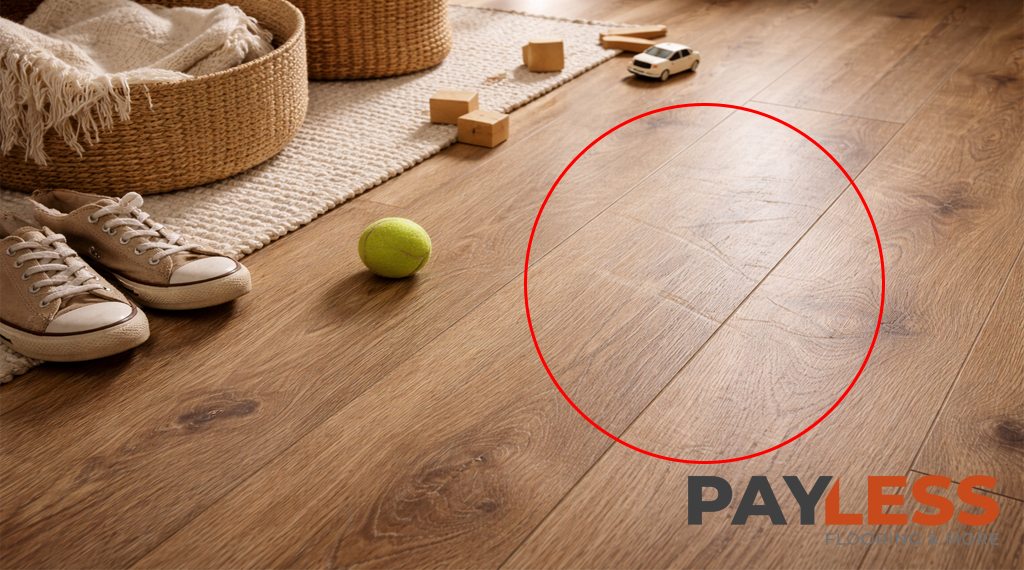
1. Not Real Timber
It replicates wood visually but does not have the same natural feel.
2. Hollow Sound in Some Installations
Poor underlay or installation can create echoing sound.
3. Quality Varies Significantly
Cheaper products may not perform well long term.
4. Subfloor Still Matters
Uneven surfaces can still cause issues.
5. Sunlight Exposure Can Affect It
UV exposure may cause fading over time.
6. Harder Than Carpet or Cork
Less soft underfoot in comparison.
7. Repairs Require Replacement
Damaged boards usually need full replacement.
8. Premium Options Can Be Expensive
High end hybrid flooring can cost more than expected.
Cons Summary Table
| Limitation | Impact |
|---|---|
| Not Real Wood | Less natural feel |
| Hollow Sound Risk | Installation dependent |
| Brand Variation | Quality inconsistency |
| Repair Method | Board replacement required |
| UV Exposure | Possible fading |
Notes:
- Installation quality makes a big difference
- Cheap products often create long term issues
- Better brands offer much higher performance
Hybrid Flooring Pros and Cons Comparison Table
| Category | Pros | Cons |
|---|---|---|
| Water Resistance | Excellent | Not fully flood proof |
| Appearance | Stylish timber look | Not real wood |
| Maintenance | Very easy | Repairs are limited |
| Comfort | Warm underfoot | Harder than carpet |
| Installation | Fast click system | Needs good subfloor |
| Durability | Strong daily use | Quality varies |
Notes:
- Best choice depends on lifestyle needs
- Not all hybrid flooring is equal
- Installation quality is critical
Uses of Hybrid Flooring in the Home
Hybrid flooring works in many areas of the home due to its versatility.
Living Areas
Perfect for open plan family spaces.
Bedrooms
Clean and low maintenance surface.
Kitchens
Strong choice due to water resistance.
Hallways
Handles constant foot traffic well.
Dining Areas
Easy to clean after meals and gatherings.
Apartments
Suitable for noise reduction setups.
Home Offices
Smooth surface for chairs and equipment.
Usage Suitability Table
| Area | Suitability |
|---|---|
| Living Room | Excellent |
| Bedroom | Very Good |
| Kitchen | Excellent |
| Hallway | Excellent |
| Laundry | Good |
| Bathroom | Depends on product |
Notes:
- Always check manufacturer specs for wet areas
- Entry mats help extend floor life
- Furniture pads reduce surface damage
Who Should (and Shouldn’t) Choose Hybrid Flooring? (Is Hybrid Flooring the Right Choice for You?)
Best suited for:
- Busy families
- Pet owners
- Renovation projects
- Investment properties
- Apartment living
- Lowmaintenance lifestyles
Less suitable for:
- People wanting real timber feel
- Heritage home restorations
- Luxury timber purists
- Spaces needing soft flooring
Suitability Guide
| Lifestyle | Fit |
|---|---|
| Family Home | Strong |
| Rental Property | Strong |
| Luxury Timber Focus | Weak |
| Apartment Living | Strong |
| High Moisture Areas | Moderate |
Notes:
- Lifestyle matters more than trends
- No flooring suits every situation
- Practicality often wins long term
What to Consider When Choosing Hybrid Flooring?
Wear Layer Quality
Thicker wear layers generally last longer.
Core Type (SPC vs WPC)
SPC = stronger and more stable
WPC = softer and quieter
Board Thickness
Affects durability and feel underfoot.
Acoustic Performance
Important in apartments.
Warranty Conditions
Check realistic coverage terms.
Installation Quality
Poor installation reduces lifespan significantly.
Buying Factors Table
| Factor | Why It Matters |
|---|---|
| Wear Layer | Surface durability |
| Core Type | Stability & feel |
| Acoustic Rating | Noise control |
| Warranty | Long term protection |
| Installation | Final performance |
Notes:
- Always compare quality, not just price
- Installation is just as important as product
- Better specs usually mean longer lifespan
Why Hybrid Flooring Is Popular in Australia
Hybrid flooring fits perfectly into Australian living styles.
Climate Adaptability
Handles seasonal changes better than many timber products.
Modern Housing Trends
Clean, minimal interiors are in demand.
Renovation Culture
Australians prefer fast upgrade solutions.
Rental Market Demand
Landlords prioritise durability and easy maintenance.
Coastal Living
Water resistance suits beachside homes.
Popularity Factors Table
| Reason | Impact |
|---|---|
| Water Resistance | High demand |
| Easy Maintenance | Strong appeal |
| Style Options | Wide acceptance |
| Renovation Speed | Major advantage |
| Durability | Key driver |
Notes:
- Strong growth in Sydney and coastal regions
- Popular in investment properties
- Matches modern Australian lifestyle
Is Hybrid Flooring Worth It in Australia in 2026?
In 2026, hybrid flooring remains one of the most practical flooring solutions for Australian homes.
It delivers a strong balance between appearance, durability and maintenance, making it ideal for busy households.
However, its value depends on expectations. If you want real timber authenticity, hybrid flooring won’t fully deliver that experience. But if you want a reliable, modern and low maintenance solution, it is absolutely worth considering.
Value Table in 2026
| Priority | Suitability |
|---|---|
| Low Maintenance | High |
| Water Resistance | High |
| Real Timber Feel | Medium |
| Durability | High |
| Budget Efficiency | High |
Notes:
- Strong value for modern homes
- Ideal for practical homeowners
- One of the most balanced flooring options available
Hybrid Flooring vs Engineered Timber
These two are often compared because both aim to replicate timber flooring but with different priorities.
Hybrid Flooring
Focuses on practicality, water resistance and low maintenance.
Engineered Timber
Uses a real hardwood top layer for a more natural timber feel.
Comparison Table
| Priority | Suitability |
|---|---|
| Low Maintenance | High |
| Water Resistance | High |
| Real Timber Feel | Medium |
| Durability | High |
| Budget Efficiency | High |
Notes:
- Hybrid = practical lifestyle choice
- Engineered timber = natural aesthetic choice
- Both are valid depending on goals
Final Thoughts
Hybrid flooring has become one of the most widely used flooring solutions in Australia because it fits real life needs.
It is practical, durable, easy to maintain and visually appealing, making it suitable for modern homes, apartments and rental properties.
While it does not fully replace the feel of real timber, it offers a strong, balanced alternative that works extremely well in everyday Australian living.
If your priority is performance, convenience and modern style, hybrid flooring remains one of the strongest options available in 2026.