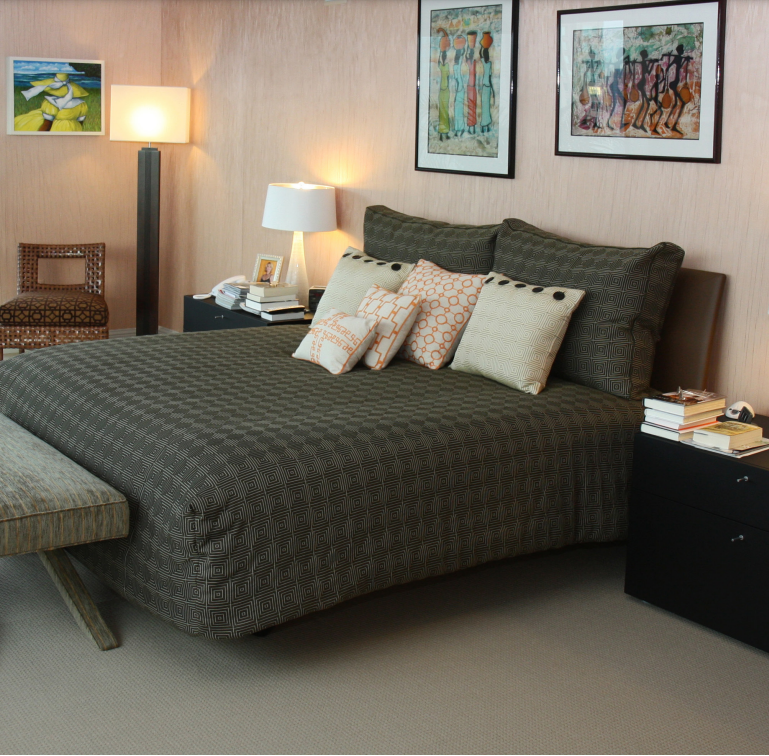
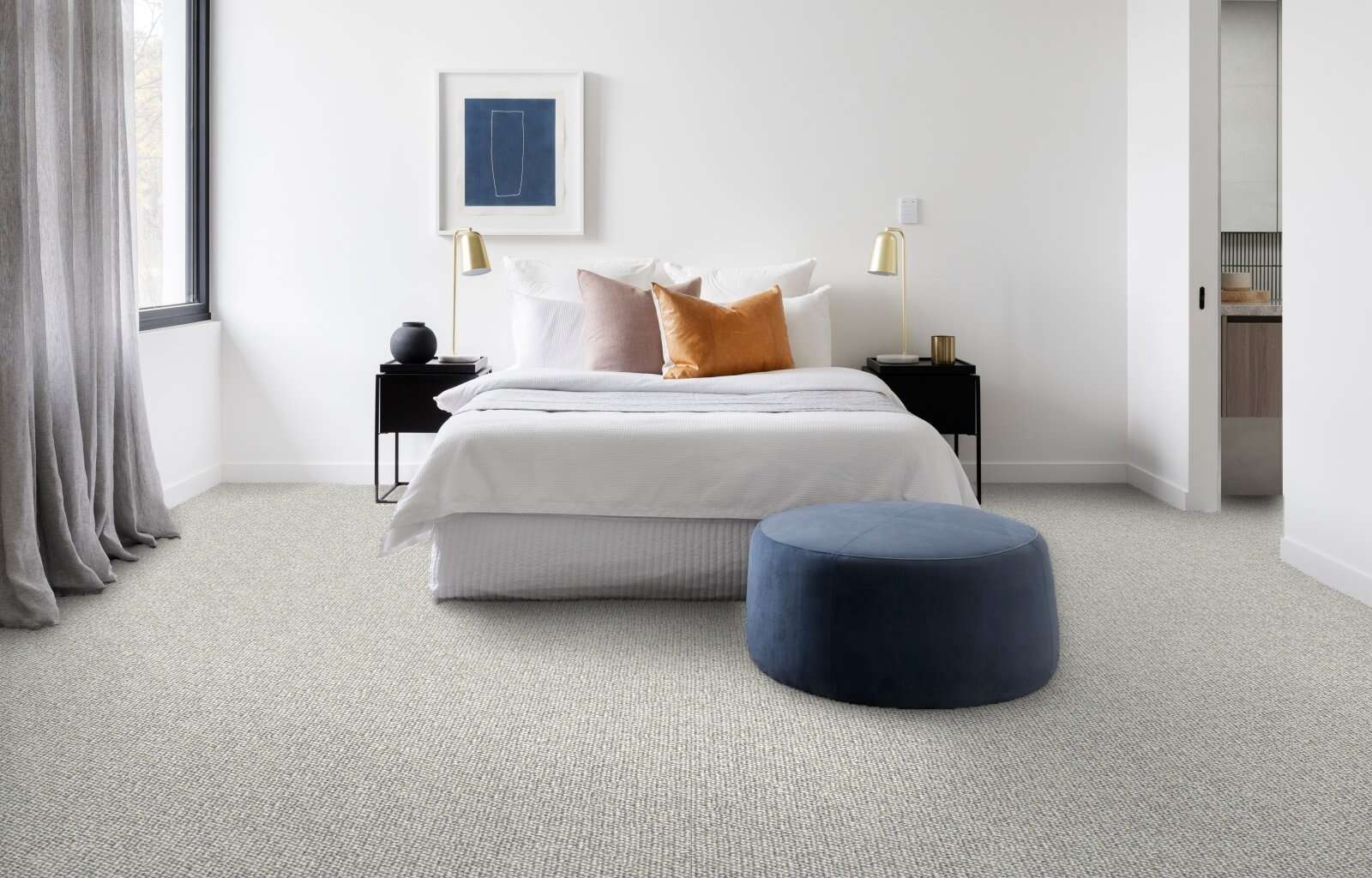
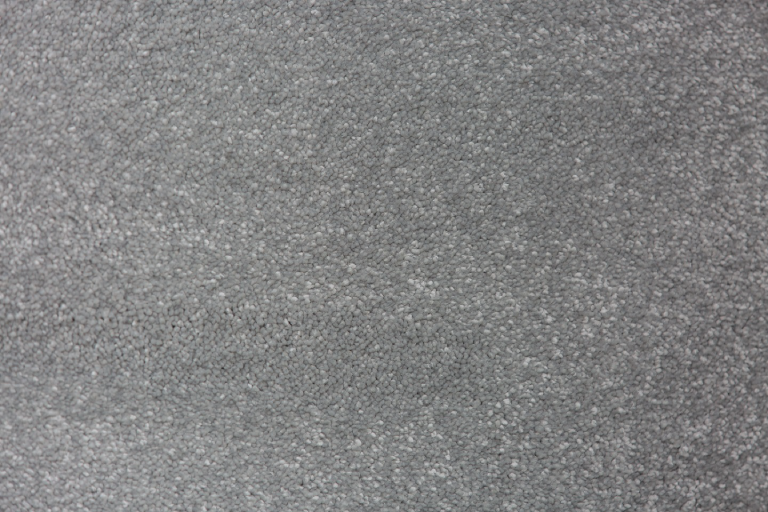
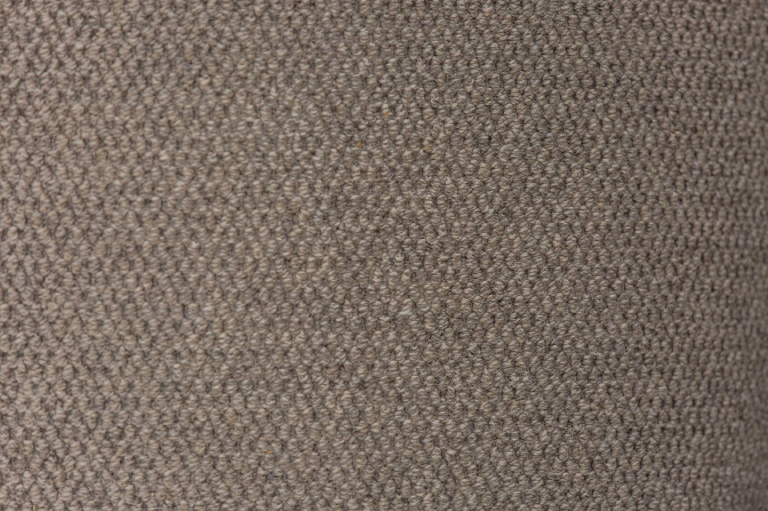
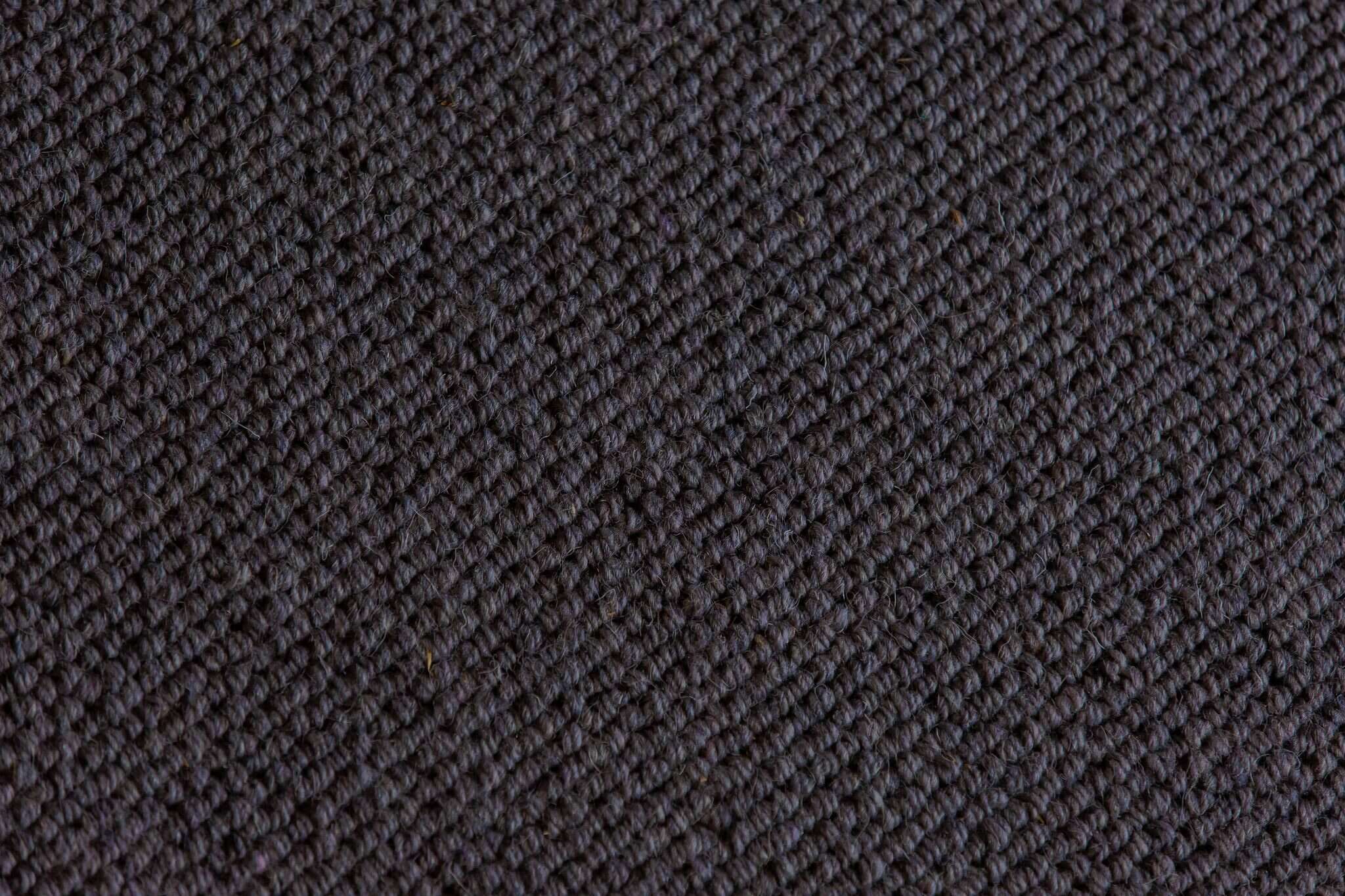
Wool carpets are made from natural fibers, offering exceptional softness, warmth, and resilience. They are highly durable, resistant to crushing, and naturally flame-retardant. Wool also absorbs dyes well, allowing for rich, vibrant colors that last.
Synthetic carpets are made from man-made fibers such as polyester or olefin, providing affordability, stain resistance, and easy maintenance. They are ideal for high-traffic areas or households with pets and children.
Nylon carpets are known for their strength and durability, making them one of the most popular choices for wall to wall installations. They resist wear, fading, and staining, while maintaining a soft texture underfoot.
Wall to wall carpets are a type of flooring that completely covers a room from one end to the other, creating a seamless and uniform look. Unlike rugs that only cover a section of the floor, these carpets are installed edge-to-edge and secured to the subfloor, making them a permanent flooring solution. They are available in a wide variety of textures, colors, and patterns, allowing homeowners to match their interior style with ease.
This type of carpeting is popular because it offers warmth, comfort, and sound insulation, making it ideal for bedrooms, living rooms, and family spaces. Wall to wall carpets also add a sense of coziness and luxury while providing a soft surface underfoot, perfect for households that value both style and comfort in their flooring choices.
Wall to wall carpets differ from area rugs and carpet tiles in both installation and functionality. While area rugs are designed to cover only a portion of the floor and can be easily moved or replaced, wall to wall carpets are installed permanently across the entire floor space, giving a uniform and continuous appearance. Carpet tiles, on the other hand, are individual squares of carpet that can be laid out in sections, offering flexibility for design and easier replacement if a section gets damaged.
Another key difference lies in the overall effect and maintenance. Wall to wall carpets create a seamless, plush surface ideal for adding warmth and insulation, whereas area rugs act more as decorative accents layered over hard flooring. Carpet tiles strike a balance, providing the softness of carpet with the practicality of modular installation. Each option suits different needs, but wall to wall carpets remain the go-to choice for homeowners wanting a luxurious, complete floor covering.
| Feature | Wall to Wall Carpets | Area Rugs | Carpet Tiles |
| Coverage | Covers entire floor from edge to edge | Covers only a portion of the floor | Modular sections, can cover small or large areas |
| Installation | Fixed and permanent, requires professional | No installation needed, just place and use | Easy installation, DIY-friendly |
| Design Flexibility | Limited to full-floor design once installed | Highly flexible, can move or replace easily | Flexible patterns and layouts |
| Comfort & Warmth | High – seamless plush surface | Moderate – depends on rug size and material | Moderate to high depending on tile quality |
| Maintenance | More difficult – entire carpet must be cleaned | Easy – can clean or replace individually | Easy – damaged tiles can be swapped out |
| Cost | Generally higher upfront investment | Affordable to luxury options available | Mid-range, depending on style and quality |
| Best For | Bedrooms, living rooms, family spaces | Layering décor, highlighting areas | Offices, playrooms, high-traffic spaces |
Wall to wall carpets provide both comfort and style, making them a versatile flooring choice for any home. They enhance the warmth and coziness of a room while helping to reduce noise and create a polished, cohesive look. Benefits of Wall to Wall Carpets:
Wall to wall carpets come in a variety of materials and styles, each offering unique qualities in terms of durability, texture, and appearance. Choosing the right type can enhance comfort, complement your indoor floor tiles design, and match your lifestyle needs.
Cut pile carpets feature fibers that are cut at the ends, creating a smooth, soft surface. They are available in various textures, including plush and Saxony, offering a luxurious feel and elegant appearance.
Loop pile carpets are made from uncut loops of fiber, providing a durable and textured surface. They are excellent for high-traffic areas because they resist crushing and matting, while adding visual interest to the floor.
Plush and Saxony carpets are types of cut pile with a dense, velvety surface. Plush carpets have a smooth, uniform look, while Saxony carpets display a slightly twisted texture that hides footprints and vacuum marks.
Textured and patterned carpets combine cut and loop pile techniques to create designs and textures that add depth and character. They are ideal for adding a stylish touch to living spaces while camouflaging dirt and wear.
Wall to wall carpets in these varieties allow homeowners to choose the perfect blend of comfort, durability, and style for any room, complementing both rugs and patio tile designs seamlessly.
Wall to wall carpets are versatile flooring solutions that can enhance comfort, style, and functionality in a variety of settings. Their ability to provide warmth, reduce noise, and complement indoor floor tiles design makes them suitable for both residential and commercial spaces.
Installing wall to wall carpets requires careful planning and preparation to ensure a smooth, durable, and visually appealing result. Proper installation not only enhances comfort and aesthetics but also extends the carpet’s lifespan.
Regular cleaning is essential to keep wall-to-wall carpets looking fresh and prolonging their lifespan.
Immediate action is key to preventing permanent damage:
Simple habits can significantly extend your carpet’s life:
The cost of wall to wall carpets varies widely depending on factors such as material, quality, pile type, and installation. Natural fibers like wool tend to be more expensive due to their durability, softness, and luxurious appearance, while synthetic options such as nylon or polyester are more budget-friendly and easier to maintain.
Other factors affecting cost include the carpet’s thickness, texture, and pattern, as well as the size of the area being covered. Professional installation adds to the total expense but ensures a seamless, long-lasting finish. Homeowners can balance style, comfort, and budget by choosing the right material and considering the benefits of durable, high-quality wall to wall carpets that pair well with rugs, indoor floor tiles design, and patio tile designs.
Wall to wall carpets can be suitable for allergy sufferers if properly maintained, but they require regular cleaning to prevent the buildup of dust, pet dander, and other allergens. Choosing carpets made from hypoallergenic materials, such as certain synthetic fibers, can also help reduce allergic reactions. Using a high-quality vacuum with a HEPA filter, along with professional deep cleaning periodically, ensures that carpets remain a comfortable and safe flooring option. Additionally, low-pile or tightly woven carpets trap fewer allergens, making them a better choice for those with sensitivities while still complementing rugs and indoor floor tiles design.
The lifespan of wall to wall carpets depends on the material, quality, and level of maintenance. High-quality wool or durable synthetic carpets can last 10 to 20 years or more with proper care, while lower-grade options may show wear within 5 to 7 years. Regular vacuuming, prompt stain removal, and periodic professional cleaning help maintain the carpet’s appearance and durability. Proper installation and avoiding excessive moisture or heavy furniture dragging also extend the life of the carpet, ensuring it remains a comfortable and stylish complement to rugs, indoor floor tiles design, and patio tile designs.
Yes, wall to wall carpets can often be installed over existing floors, provided the surface is clean, level, and in good condition. Hard floors such as wood, tile, or vinyl are generally suitable for direct installation, while uneven or damaged surfaces may require a leveling underlay for a smooth finish. Carpets should never be installed over floors with moisture issues, as this can lead to mold or premature wear. Proper preparation ensures a secure, long-lasting installation that enhances comfort and style while complementing rugs, indoor floor tiles design, and patio tile designs.
For high-traffic areas, nylon carpets are widely considered the best choice due to their exceptional durability, resilience, and resistance to wear and staining. Synthetic options like polyester and olefin can also perform well, offering easy maintenance and good color retention, though they may be slightly less durable than nylon. Low-pile or loop pile carpets are particularly effective in busy spaces, as they resist crushing and matting while maintaining a clean, polished look. Choosing a high-quality carpet material ensures long-lasting performance and complements rugs, indoor floor tiles design, and patio tile designs throughout your home or commercial space.